
Detergents, Liquid Washing & Household Cleaning








More About These Applications
Production Equipment for Laundry and Household Cleaning Liquids
Production Equipment for Laundry and Household Cleaning Liquids
Laundry detergent, dishwashing liquid and household surface cleaners can share parts of a manufacturing facility, but their equipment requirements depend on the actual formulations. A thick detergent, a thin spray cleaner and an emulsified fabric softener can differ in mixing sequence, material compatibility, transfer behavior and package handling. Those differences should appear in the equipment plan from the beginning.
StriversMachinery supplies mixing and packaging arrangements for liquid cleaning products, with preparation vessels, bulk storage, transfer equipment and filling machines selected around the proposed product range. Projects can use separate semi-automatic machines or connected automatic equipment, depending on batch sizes and the amount of manual work the factory can support.
This application concerns laundry, dishwashing and household cleaning products. Products intended for washing hair or skin follow the hair care and personal care production route. Broader industrial formulations and coatings are addressed under chemical product processing, where different material and processing requirements may apply.
Define Each Product before Sharing Equipment
Define Each Product before Sharing Equipment
The word “detergent” is not a complete process specification. Identify the formula’s main ingredients, finished consistency, working temperature and any compatibility concerns before choosing vessels or pumps. Include concentrated and diluted versions separately if their manufacturing steps differ.
Some products mainly require dissolution and blending. Others involve dispersing additions or preparing an emulsion. Mixing equipment should provide the required functions without assuming every cleaning liquid needs vacuum processing or intensive homogenization. Where operators add ingredients in several stages, access and visibility can be as important as the mixer drive arrangement.
Prepare a product-by-product schedule showing which vessel will be used and how it will be cleaned between batches. A single large tank can be productive on repeated runs but awkward for many small orders. Conversely, several smaller vessels introduce more cleaning and transfer connections. The useful comparison is the work required to complete the actual order mix, not tank capacity alone.
Water Supply and Premixing
Water Supply and Premixing
For water-based cleaning products, water supply affects both batch preparation and cleaning. Water treatment systems can be included where treatment is required by the formulation and source-water conditions. The treatment output, storage arrangement and point of use should fit the working schedule rather than be selected independently.
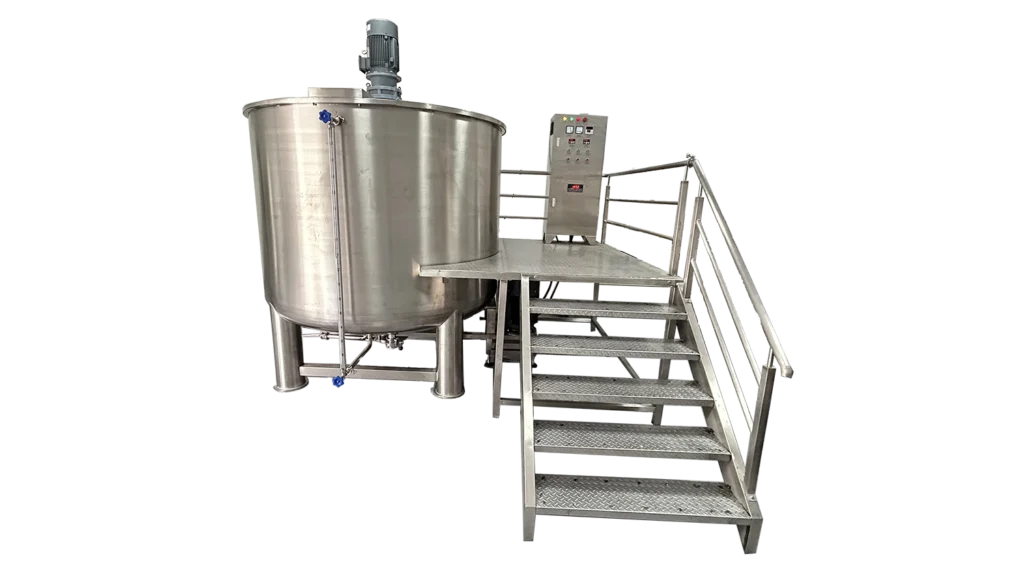
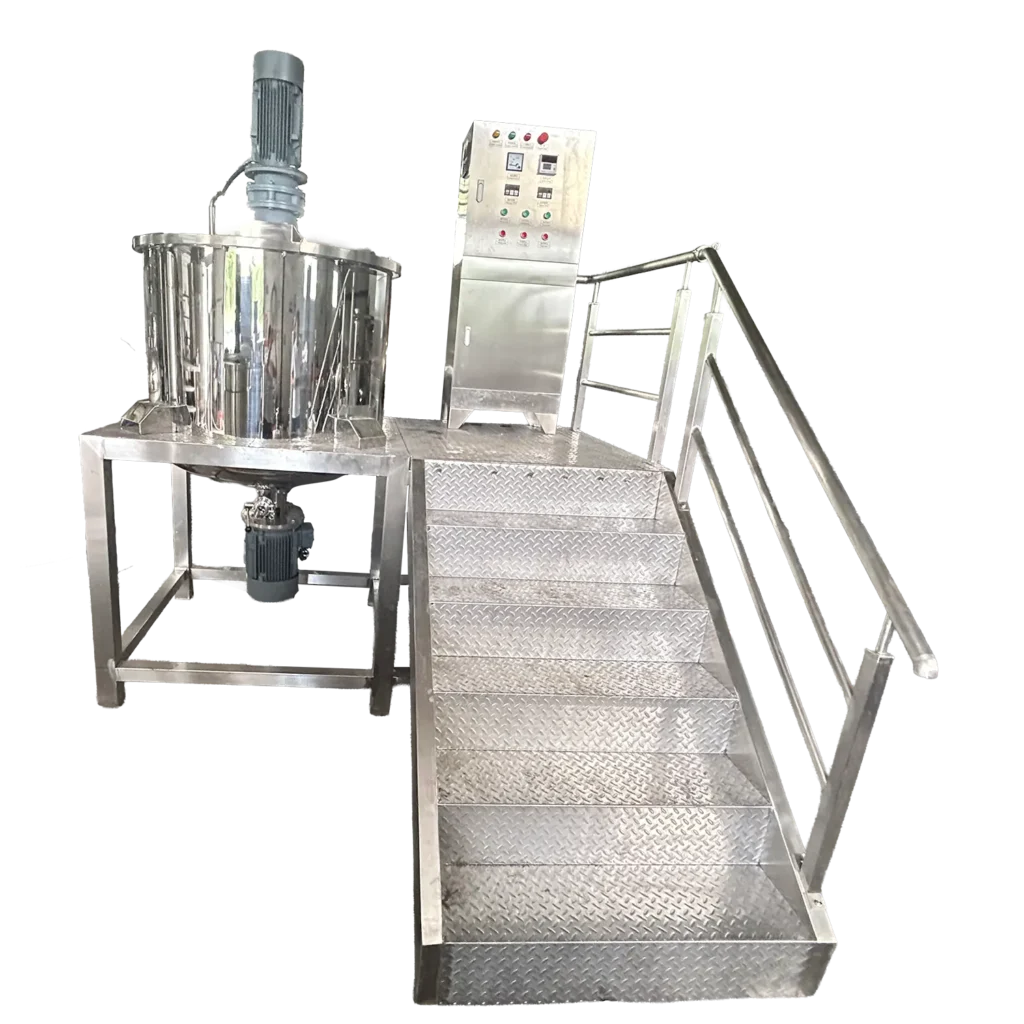
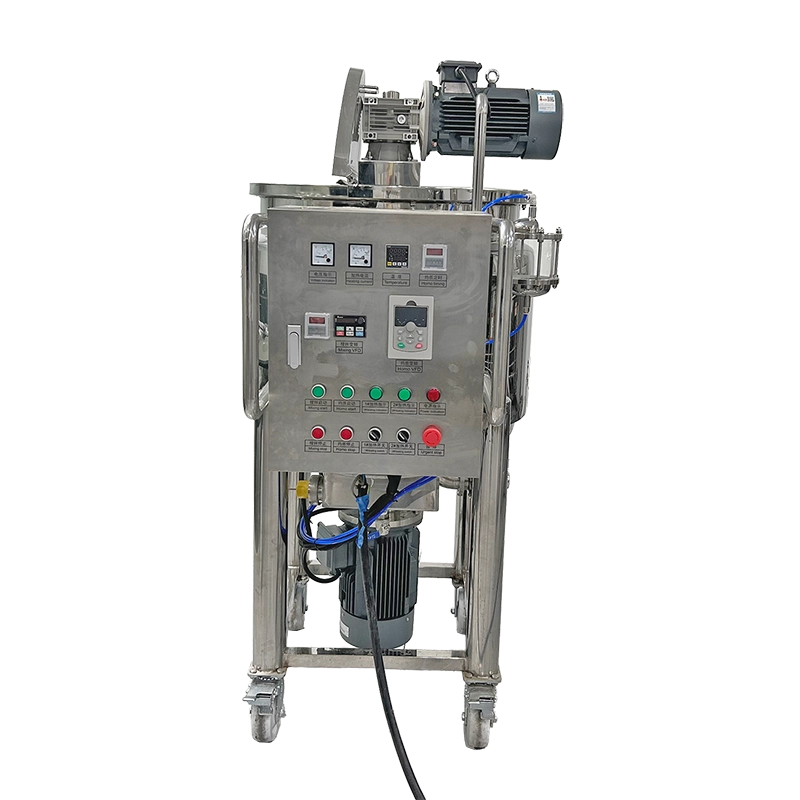
Premixing may be needed for ingredients that should dissolve or disperse before entering the main batch. Stainless steel mixing tanks offer a preparation route where the selected construction is compatible with the materials involved. Review the entire wetted path, including seals, hoses and valves; a stainless steel frame does not establish product-contact compatibility.
Keep weighing and ingredient staging close enough to the production area for efficient work. Containers should be identifiable and additions accessible without creating congestion around the main vessel. If several recipes use the same premix, consider whether a dedicated preparation vessel would simplify scheduling, while keeping the factory’s batch identification and cleaning procedures clear.
Blending Detergent and Fabric Softener Batches
Blending Detergent and Fabric Softener Batches
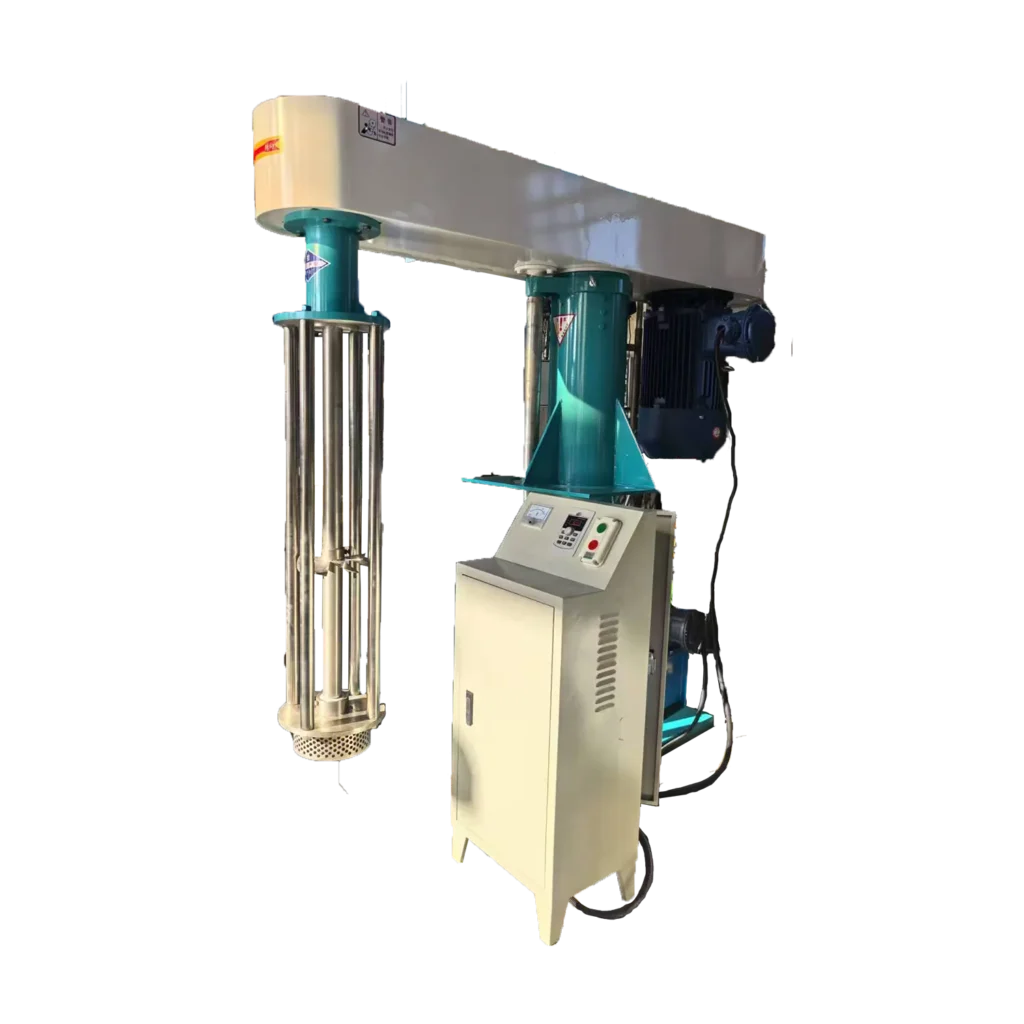
The mixing sequence may change as ingredients are added and the product develops its final consistency. Specify the expected conditions at the start, middle and end of the batch. A mixer needs to move the finished product adequately, not merely blend the first water charge.
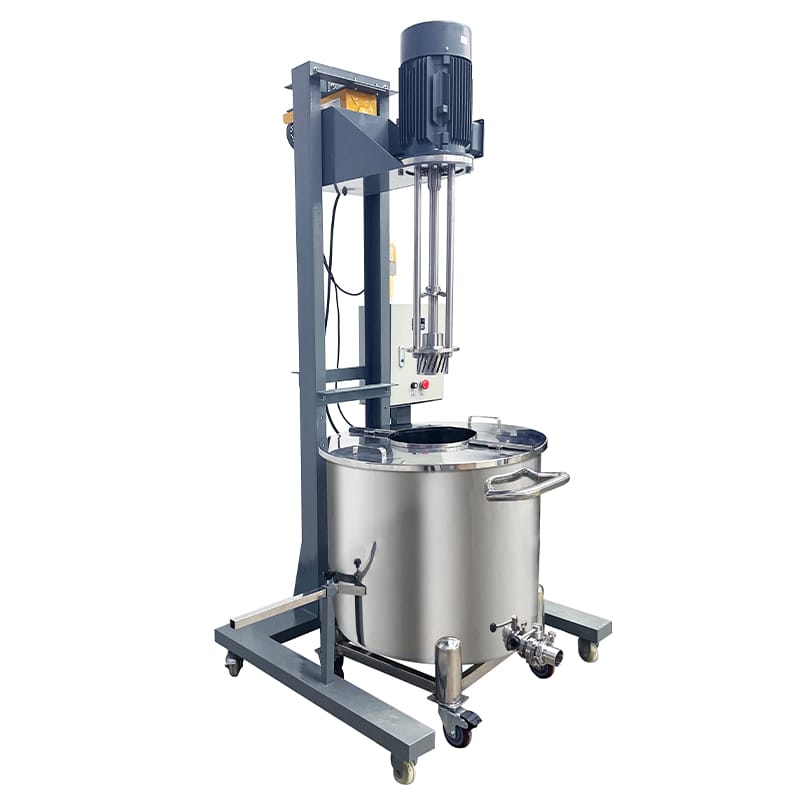
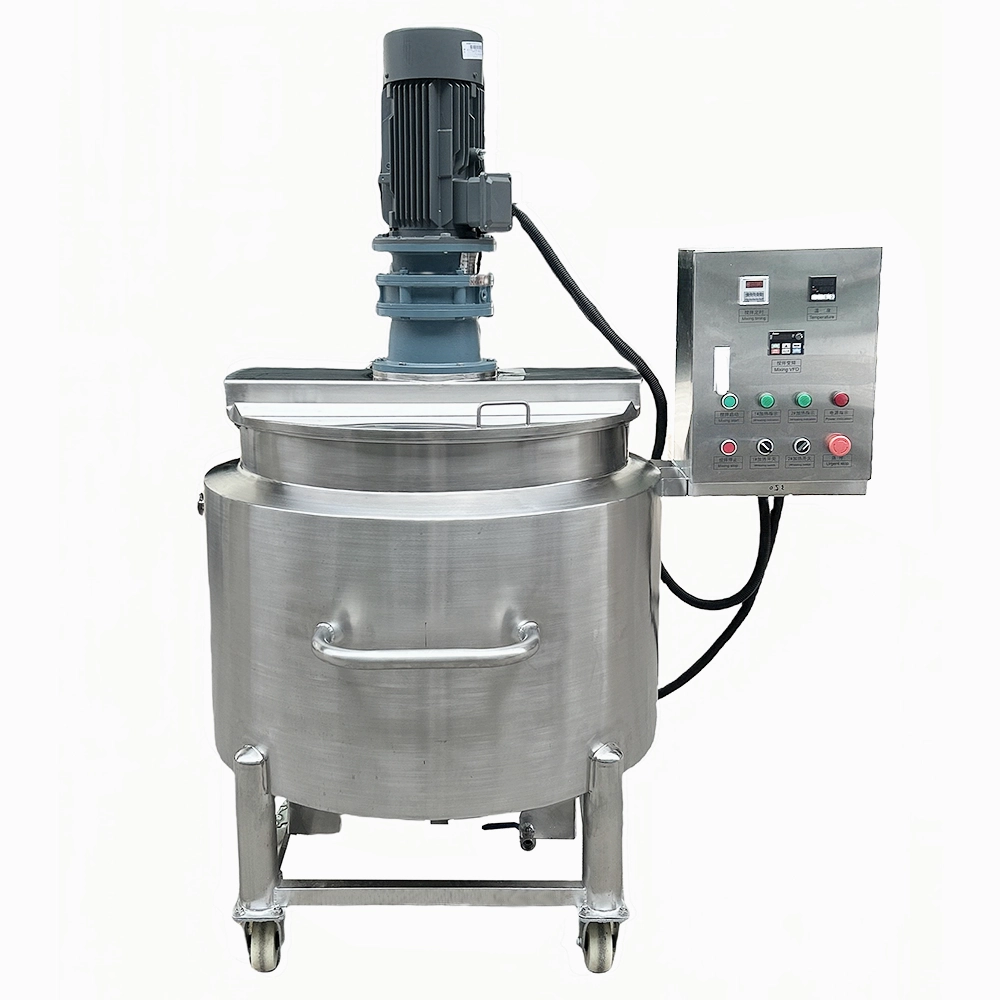
A single-layer homogenizing mixing tank is one arrangement to consider for products that do not require a jacketed thermal process. A electric heating mixing vessel provides a different route where the recipe calls for heating. The presence of a homogenizer or heater should reflect a real process duty rather than become a standard addition to every proposal.
For fabric softeners or other emulsified cleaning products, discuss the required phase preparation and subsequent cooling separately. The sealed versus open mixing tank guide offers background on vessel arrangements. The production choice should also account for ingredient addition, housekeeping and access to the vessel, not just whether the tank has a cover.
Foam, Viscosity and Later Additions
Foam, Viscosity and Later Additions
Surfactant-containing products can become difficult to handle if unnecessary air is introduced during mixing or transfer. Review the addition point, circulation route and discharge arrangement with the actual formulation. Product behavior at one stage should not be assumed to represent the finished batch.
Later adjustments can change consistency and therefore affect pumping and filling. Give the equipment supplier information about the finished product at its intended filling temperature. Samples prepared only for demonstration may not show the behavior of a production batch after it has stood in a holding tank.
Where batch results vary, the liquid and emulsion process troubleshooting guide provides a separate technical reading route. The equipment proposal should identify which observations need a product trial, such as foaming during transfer or stringing at a filling nozzle. It should not promise that a larger motor or an additional homogenizer will resolve every formulation-related issue.
Bulk Holding and Product Identification
Bulk Holding and Product Identification
Packaging may use several bottle sizes from one batch, or several small batches may need to wait for a shared filler. Storage and holding systems can help manage that workload. Decide whether the product needs agitation, temperature control or only covered storage during the planned waiting period.
The tank arrangement should make product identity and status clear to operators. Provide accessible connections and a straightforward route from the selected holding vessel to the correct filler. A flexible hose system can be useful, but it still requires an organized procedure for connection, cleaning and storage.
Think about end-of-batch work before choosing the tank outlet and transfer route. Long hoses and poorly positioned connections can retain product and lengthen cleaning. The article on product recovery in liquid processing discusses that issue in more detail. Recovery arrangements should suit the product and the factory’s quality procedures rather than introduce uncontrolled mixing between batches.
Pumping Cleaning Liquids to the Filler
Pumping Cleaning Liquids to the Filler
The transfer system must match the formulation as well as the desired flow. Thin surface cleaner, concentrated detergent and thick washing gel can require different assessments. Fluid transfer systems include several pump approaches; the choice should consider viscosity, temperature, chemical compatibility and the full pipe or hose route.
The pump selection guide is useful for comparing transfer principles. Where a gear pump filler is proposed, distinguish its dosing function from any external pump used to replenish the hopper. The supply pump should keep the filler fed without creating an unsuitable pressure or inconsistent inlet conditions.
Confirm how the system behaves when the source vessel is nearly empty and when the packaging line stops. Also decide how operators isolate, disconnect and clean the product route. These practical details matter on a line that alternates products, particularly when different fragrances, colors or active ingredients share the same equipment during a shift.
Bottle and Jug Filling
Bottle and Jug Filling
Package size affects more than the filling quantity. A small spray bottle, a detergent bottle with a handle and a large refill container need different support and nozzle access. Check container stability when empty, during filling and on transfer to the closing station.
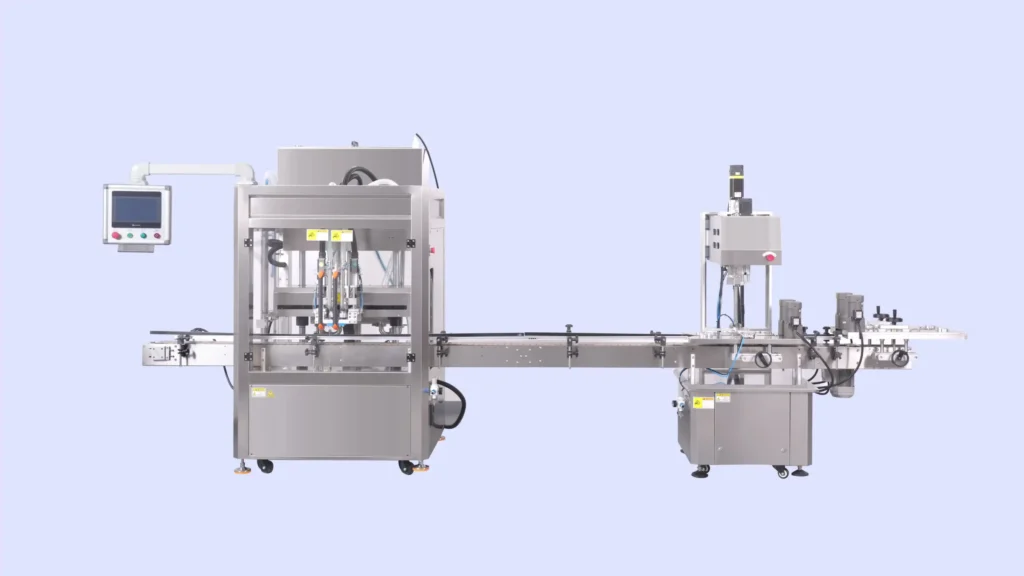
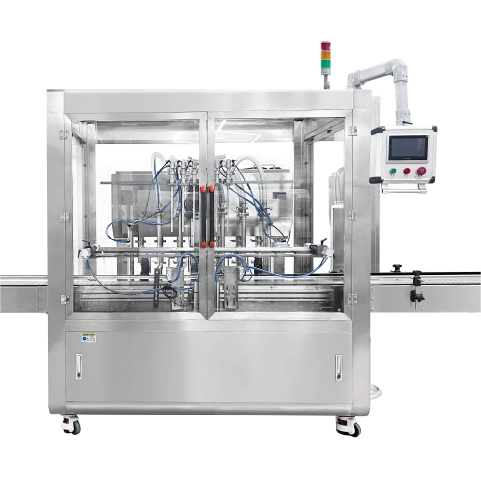
Liquid filling machines provide a starting point for flowable cleaners. For suitable products and production layouts, the servo tracking gear pump filling line offers filling while the nozzles move with the bottles. The single-head servo gear pump filler with automatic feeding provides another arrangement when a different output or operating pattern is required.
Neither machine should be selected from the product name alone. Confirm compatibility, fill range and actual output using the intended cleaner and container. The filling accuracy testing methods article can help establish a consistent trial procedure. Include the start of a run, stable operation and restart after a pause, since operators will encounter all three during normal production.
Refill Pouches and Spouted Packs
Refill Pouches and Spouted Packs
Refill pouches are a separate handling task from rigid bottles. The spout fitment needs support, the cap must match the thread and the pouch must leave the machine without interfering with the next cycle. Pouch filling machines should be discussed using samples of the intended pack.
A semi-automatic spout pouch filler and capper can combine manual pouch placement with automatic filling and screw capping. Its purpose is filling through an existing spout; it is not a replacement for a machine that forms and seals bags from film. The stand-up pouch filling guide provides further context for this packaging route.
Compare the operator workload across the full shift. Empty pouches, caps and finished packs all need to be handled, even when the filling cycle is automatic. For multiple pouch sizes, include fitment location and filled-pouch support in the changeover discussion rather than treating volume adjustment as the only required change.
Trigger Sprayers, Screw Caps and Seals
Trigger Sprayers, Screw Caps and Seals
Closure handling should be planned with the packaging supplier’s complete samples. A trigger sprayer or pump may have a regular threaded section but a large or uneven upper shape. Sorting, placement, tightening and orientation are separate questions that need an agreed arrangement.
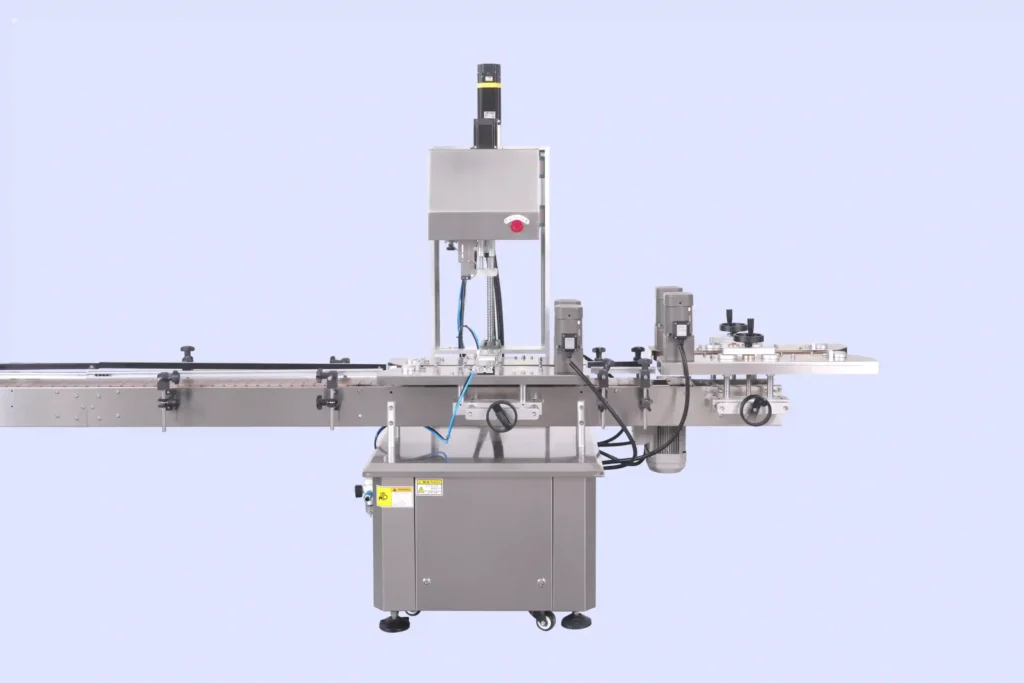
Capping machines can be matched to compatible closures. The servo four-wheel capper is one option for suitable threaded caps, triggers and pumps; irregular geometries may require a different handling solution. For short runs, manual closure placement can remain part of an otherwise mechanized line.
Where a bottle uses a compatible foil liner, sealing equipment may add a sealing operation after the cap is fitted. This is distinct from screw tightening and from applying a shrink band. Confirm the liner, bottle material and sealing surface together. The equipment sequence should reflect the actual package construction, with inspection access before finished packs move to outer packing.
Labels, Codes and Shipping Packs
Labels, Codes and Shipping Packs
Detergent bottles often have shaped panels, handles or narrow areas available for artwork. Labeling machines must place labels on the intended surface consistently while supporting the container. Test the real bottle and label stock, particularly where a wraparound label crosses changes in container shape.
Coding machines should be planned around an accessible, readable print area that remains visible after labeling and packing. Decide whether the code belongs on the bottle, label, cap or outer carton before fixing the machine positions. The production team also needs a clear procedure for changing product and batch information.
Shipping arrangements can range from manual case packing to more automated downstream handling. Keep the filled container’s weight and stability in mind when planning accumulation and transfer. Leave room for quality checks, rejected packs and carton replenishment so those tasks do not repeatedly stop the filler or force operators to work across moving equipment.
Assess the Smallest and Largest Pack as Separate Jobs
Assess the Smallest and Largest Pack as Separate Jobs
A line supplying both retail bottles and larger refill containers needs more than a wide adjustable fill setting. Check conveyor support, available headroom, nozzle access and the weight of a finished container at each end of the range. Handles and offset openings can change how the package must be positioned.
Ask the packaging team to demonstrate how empty containers, caps and finished packs will move through the proposed working area. For a larger container, manual removal and case handling can become the limiting task even if the filling operation is fast. For a small bottle, stability and accurate presentation may need more attention.
Include the change between those formats in the equipment discussion. A simple adjustment may be sufficient in one case, while another needs different guide parts or a separate station. Recording the required work makes output estimates more realistic and helps the factory decide whether both formats should share one line.
Factory Services and Changeover Planning
Factory Services and Changeover Planning
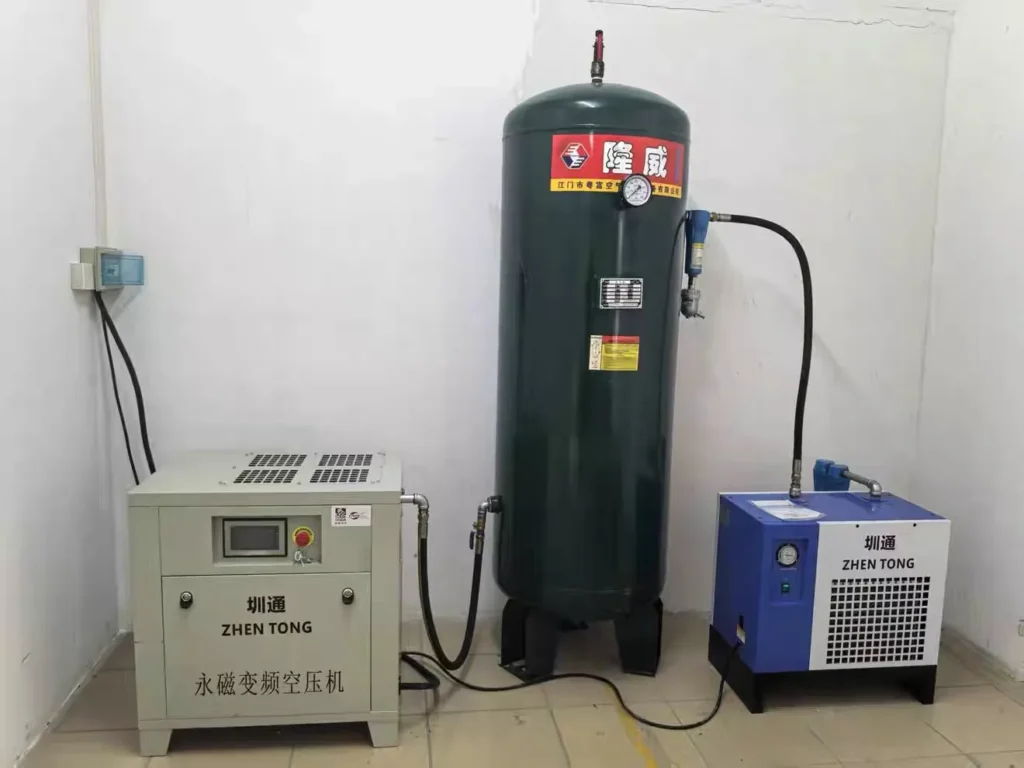
List power, compressed air, water, drainage and any heating or cooling requirements for the proposed equipment. Utility systems should be specified against those duties, rather than copied from a different factory’s machine list. Product-contact air requirements, if any, need separate attention from air used only to operate cylinders.
Cleaning arrangements should suit the formulation and the factory’s procedures. The guide to cleaning access and dead corners provides relevant background when reviewing valves, hoses and vessel openings. Determine which parts will be removed, where they will be washed and how they will be stored between runs.
For a coordinated production line, provide the product list, batch schedule, pack samples, target daily output and existing services. Include the most difficult changeover, not only the longest production run. StriversMachinery can use that information to propose a workable combination of processing and packaging equipment, with the manual tasks and supply boundaries identified before installation begins.