

Hydraulic Lifting High Shear Homogenizer Machine for Cream, Lotion & Liquid Soap in Cosmetic & Chemical Industry
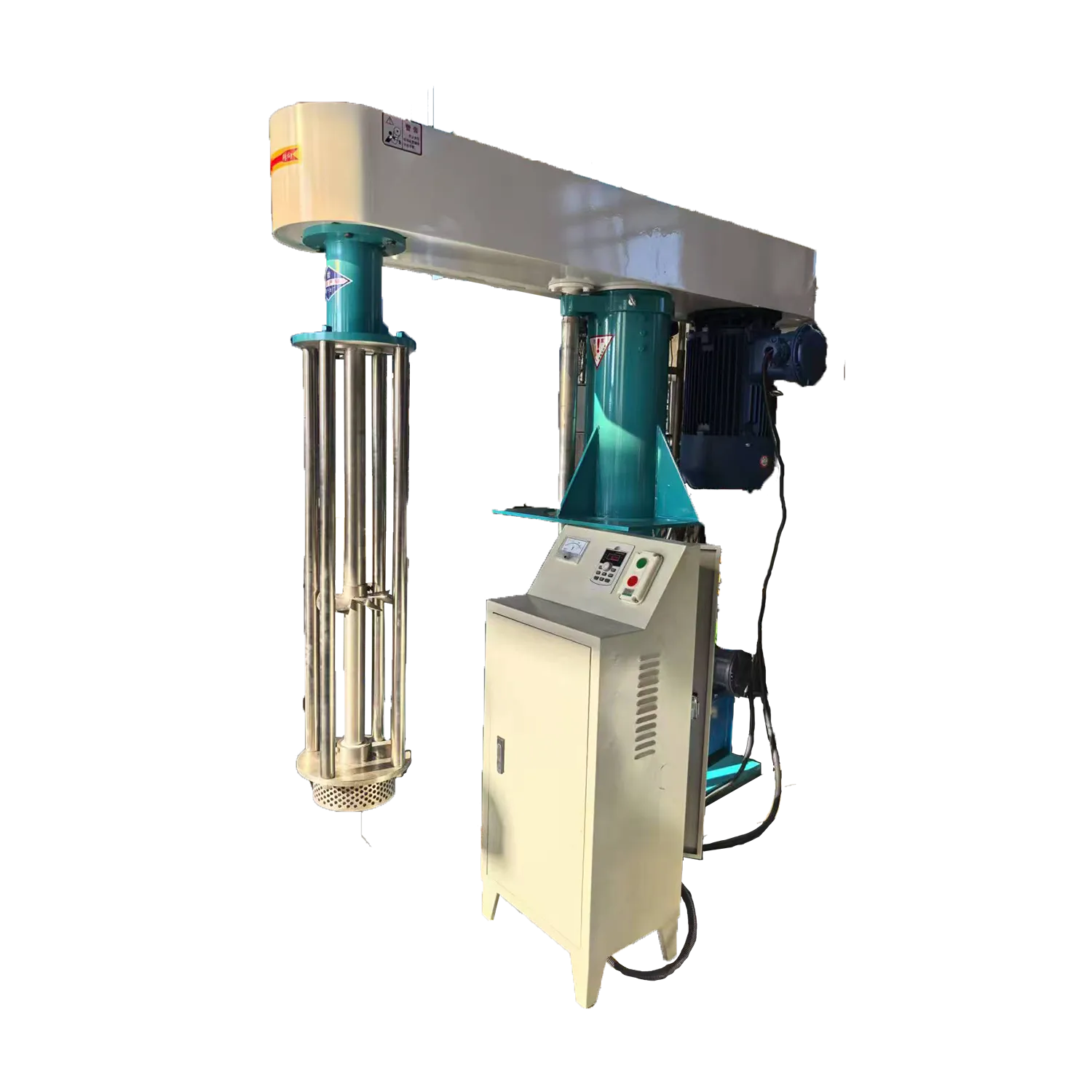
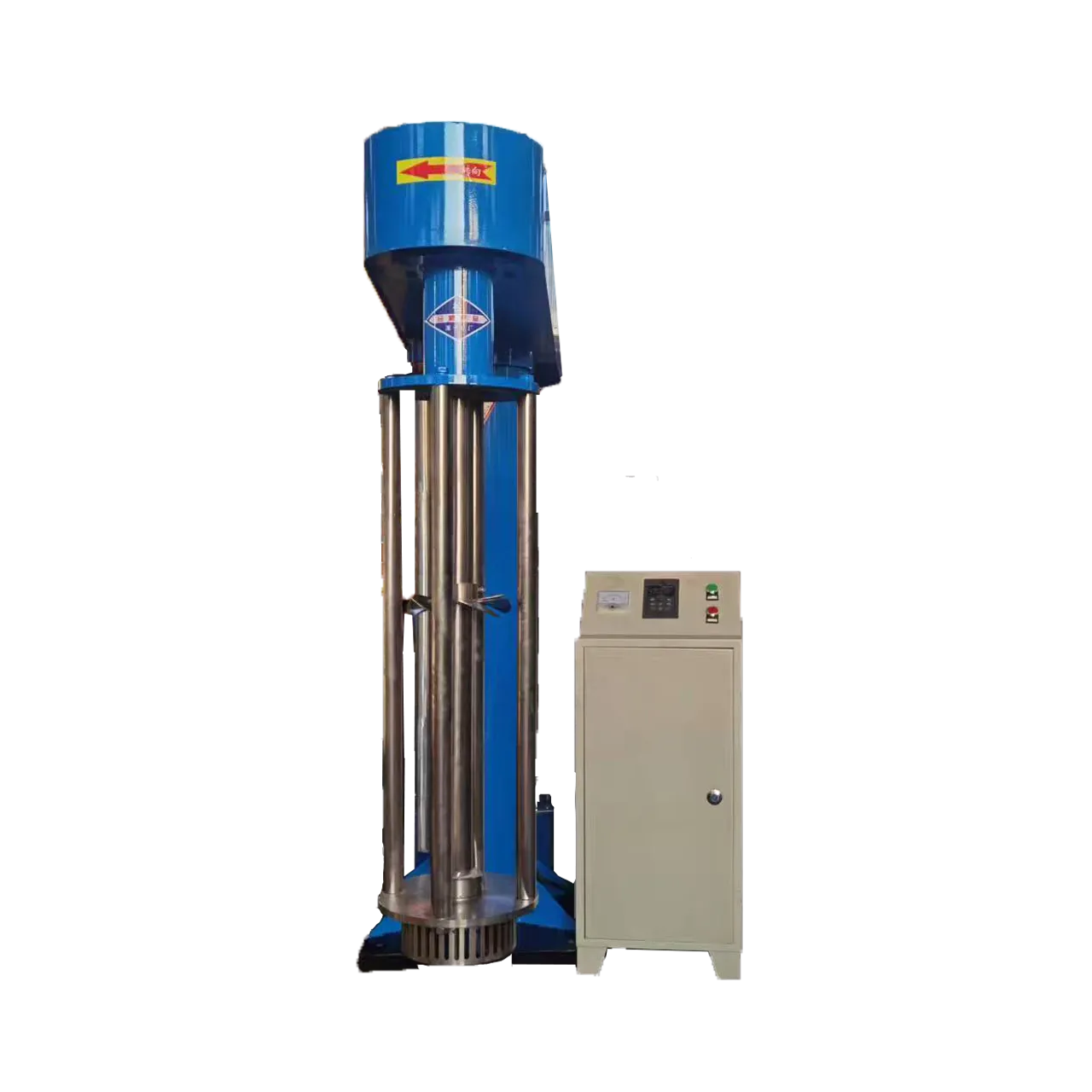
The Hydraulic Lifting High Shear Homogenizer is a floor-mounted batch mixer for emulsification, ingredient dispersion and homogenization in compatible cream, lotion and liquid soap formulations. Its single-stage rotor-stator head combines variable-speed processing with hydraulic lifting for vessel access. Within the high shear mixers range, this model suits manufacturers seeking a separate homogenizing workstation rather than an integrated heated or vacuum-processing vessel.
| Contact Material | SUS316L Stainless Steel | Motor Brand | SEW / ABB / Siemens / Top-Tier Chinese Brands (Optional) |
| Outer Material | Painted Carbon Steel (Frame) | Voltage | Configurable to local grid (110V–480V, 50/60Hz, Single or 3-Phase) |
| Surface Roughness | Ra ≤ 0.4 μm (Sanitary Grade) | Total Power (kW) | 9 |
| Working Capacity (L) | 500 | Drive Type | Electric |
| Frequency Converter | Variable Speed with VFD (Delta, Siemens, ABB, Schneider, Optional) | Installation Type | Floor-mounted |
| Homogenizer Speed (rpm) | 0–3000 rpm (Variable Frequency Control) | Automation Level | Semi-Automatic |
| Homogenizer Power (kW) | 7.5 | Electrical Components | Schneider / ABB / Siemens / Omron / Fuji /Mitsubishi (Optional) |
| Rotor Stator Type | Single-Stage Rotor Stator | Control System | Push Button Control |
| Lifting Method | Hydraulic Lifting System | Machine Dimensions(L*W*H)mm | 1800×650×1750 |
| Max Lifting Height (mm) | 800 | Machine Weight (kg) | 800 |
Product Gallery
Product Video
Product Overview
This machine provides a dedicated high-shear processing stage for manufacturers preparing compatible cosmetic and chemical batches. The rotor-stator head processes material entering its working zone, supporting emulsification, ingredient dispersion and the breakdown of suitable agglomerates. Hydraulic lifting raises and lowers the assembly for positioning and access between operations.
For cosmetic cream and lotion production, the machine can be evaluated as part of a process involving separately prepared ingredients or phases. It does not replace heating, cooling, bulk agitation or vacuum deaeration where the formulation requires those functions.
Compatible liquid soap and personal care formulations may also benefit from a defined high-shear incorporation stage. The required sequence must account for surfactant foaming and ingredients that should not receive prolonged shear.
The listed working capacity is 500L, subject to confirmation with the actual vessel geometry, product viscosity and processing duty. SUS316L product-contact components and the specified surface finish support material selection and cleaning assessment. The painted carbon steel frame provides the supporting structure. Push-button controls and variable-frequency adjustment keep batch sequencing under operator control.
The quotation should identify the vessel supply scope, working-head geometry, shaft immersion requirements and installed operating protection.
Machine Configuration
The machine combines an electric homogenizer drive, a vertical shaft assembly and a single-stage rotor-stator working head. Material entering the head passes through the active shearing region before returning to the surrounding batch.
A hydraulic lifting system positions the head within a compatible vessel and provides withdrawal access after processing. The lifting arrangement must be coordinated with vessel height, shaft length and the permitted operating position.
The variable-frequency drive adjusts homogenizer speed, while push-button controls support operator-led starting, stopping and positioning. The order should identify the selected motor, VFD and electrical components from the supplied alternatives.
The frame is painted carbon steel, with SUS316L specified for product-contact components. Vessel inclusion, vessel restraint, working-head service access and installed safeguards require a defined supply schedule. No separate bulk agitator, wall scraper, heating jacket, vacuum system or automatic cleaning package is confirmed in the supplied configuration.
Key Features
- Rotor-stator processing supports emulsification and dispersion of compatible cosmetic and chemical ingredients.
- Variable-speed adjustment allows processing intensity to follow the approved formulation sequence.
- Hydraulic lifting provides access for compatible vessel positioning and working-head inspection.
- A separate homogenizing workstation can complement independently prepared liquid or emulsion phases.
- SUS316L product-contact components support formulation-specific chemical compatibility assessment.
- The specified surface finish supports residue inspection during cleaning and changeover.
- Push-button operation keeps ingredient sequencing and processing decisions under operator control.
- Floor mounting supports a dedicated workstation with a defined vessel-handling arrangement.
Applications
- Cosmetic Cream & Lotion, and Skin Care
- Detergents, Liquid Washing & Household Cleaning
- Hair Care, Personal Care & Body Wash
Recommended Machines

100 LITERS Hydraulic Lift Vacuum Emulsifying Machine for Cream, Lotion & Cosmetic Production
View Details
7.5kW Hydraulic Lifting High Speed Disperser Machine for Paint, Coating, Ink & Chemical Liquid Mixing
View Details

Working Principle
The process begins with a compatible vessel positioned and restrained beneath the homogenizer. Operators charge the initial material according to the formulation procedure. The head is lowered to its approved operating position before the drive starts, with sufficient immersion and clearance from the vessel.
As the rotor turns inside the stator, material entering the working head experiences localized shear. This action supports the dispersion of compatible ingredients and the breakdown of agglomerates. In an appropriate emulsion process, the head can assist the distribution of one liquid phase within another. Finished stability still depends on formulation, ingredient preparation and the complete processing sequence.
Material leaving the working head returns to the batch. Effective processing therefore requires adequate movement of material toward the head, rather than repeated treatment of only a limited region. Vessel geometry, liquid level and viscosity influence this circulation.
The operator adjusts speed and processing duration within the approved process window. Ingredient addition may be staged, and shear-sensitive materials may require later addition or a different mixing method. Product temperature and air incorporation should be monitored because this machine does not provide confirmed jacket temperature control or vacuum deaeration.
Once the batch meets its agreed quality checks, the drive stops. The shaft must reach complete standstill before the head is raised according to the operating procedure. Product then proceeds through the separately defined discharge, transfer or holding arrangement.
Optional Upgrades & Configurations
| Warranty | 24 Months | Payment Terms | 40% T/T Deposit, 60% Balance Before Shipment (Alibaba Trade Assurance Available) |
| Lead Time | 15–20 Working Days | Packaging | Standard Export Fumigation-Free Wooden Case |
After-Sales & Technical Support
🔧 Common Problems
Possible observable symptoms include visible agglomerates after processing, streaks or uneven appearance between samples, differences in measured product consistency, limited movement in part of the vessel, persistent foam, retained air, or unexpected product-temperature rise. Operators may also observe abnormal working-head noise, shaft vibration, unstable speed response, motor or VFD trips, visible wear on accessible working-head components, or residue remaining after cleaning. Lifting-related observations may include slow head movement, uneven travel, difficulty reaching the intended position or hydraulic oil seepage. These symptoms are potential observations rather than expected defects. Record the batch stage, vessel, product volume, head position and operating settings when a symptom occurs so the operating circumstances can be reviewed.
🛠 Troubleshooting
Problem: Product remains visibly uneven after processing. Possible Cause: The charging sequence, working-head position or bulk circulation is unsuitable for the batch. Recommended Solution: Review the approved process record. Check operating volume and head immersion before changing the speed or extending processing.Problem: Foam or retained air increases. Possible Cause: Air enters during charging or circulation; the high-shear stage is unsuitable for the current ingredient sequence. Recommended Solution: Review charging and the approved head position. Adjust the processing sequence within the agreed process window rather than treating the machine as a deaerator.Problem: The working head produces abnormal vibration or noise. Possible Cause: Inadequate product coverage, deposits, foreign material or a mechanical fault. Recommended Solution: Stop the drive. Isolate the machine before inspection. Obtain qualified service support before restarting.Problem: A drive trips during processing. Possible Cause: Excessive product loading, a mechanical restriction or an electrical fault. Recommended Solution: Record the fault code and batch condition. Arrange qualified investigation instead of repeatedly resetting the protection.Problem: The hydraulic head moves slowly or unevenly. Possible Cause: An obstruction, unsuitable oil condition or a hydraulic-system fault. Recommended Solution: Stop lifting. Review accessible conditions against the hydraulic instructions. Do not loosen pressurized connections.Problem: Product residue remains in the working head. Possible Cause: The cleaning method does not reach the affected surfaces or suit the residue. Recommended Solution: Review the approved cleaning access and procedure. Arrange authorized disassembly where the manufacturer's instructions require it.
🧼 Cleaning Method
1. Stop the homogenizer drive at the end of the approved processing stage. 2. Confirm complete shaft standstill before operating the hydraulic lift. 3. Raise the head only to the approved cleaning-access position. 4. Secure the raised assembly using the manufacturer's approved support method. 5. Isolate electrical power under the site's lockout procedure before manual cleaning access. 6. Recover accessible product residue using a method suitable for the formulation. 7. Apply the approved pre-rinse medium without exposing unprotected electrical or hydraulic components. 8. Remove designated detachable working-head components according to the manufacturer's cleaning instructions. 9. Apply a cleaning agent compatible with the residue and installed product-contact materials. 10. Clean the accessible rotor and stator surfaces using suitable tools. 11. Clean the product-contact shaft surfaces according to the approved procedure. 12. Rinse cleaned components until the specified cleaning-agent acceptance criteria are met. 13. Sanitize the product-contact components when the validated product-changeover procedure requires it. 14. Inspect the cleaned working head for retained material before reassembly. 15. Reassemble the working head according to the approved service instructions. 16. Release the workstation after the required cleaning checks are complete.
📋 Maintenance
1. Isolate the machine under the approved lockout procedure before preventive maintenance. 2. Support the raised assembly using the manufacturer's approved method before working beneath it. 3. Inspect accessible rotor and stator surfaces for deposits, damage or wear. 4. Examine the shaft assembly for visible damage using the approved access method. 5. Inspect working-head fastenings according to the component service instructions. 6. Check the installed bearing arrangement through the manufacturer's approved inspection method. 7. Inspect any fitted shaft seals for leakage or visible deterioration. 8. Lubricate serviceable components using only the specified lubricant and application method. 9. Examine accessible hydraulic hoses for abrasion, cracking or seepage. 10. Check the hydraulic oil condition against the lifting-system maintenance instructions. 11. Inspect the lifting guides for contamination or deterioration. 12. Examine the painted frame for coating damage requiring maintenance. 13. Arrange qualified inspection of electrical terminals and protective devices. 14. Verify the function of installed stop controls through the approved functional-check procedure. 15. Record maintenance findings against the machine serial number and operating history. 16. Schedule corrective service before returning deteriorated components to production.
⚙️ Installation
1. Review the approved installation drawing before preparing the workstation. 2. Confirm the fully raised operating envelope against the available building clearance. 3. Obtain approval of the floor and anchoring arrangement for the complete operating installation. 4. Inspect the delivered machine for visible transport damage. 5. Position the machine using the manufacturer's designated handling arrangement. 6. Level the frame according to the installation instructions. 7. Secure the floor mounting according to the approved anchoring design. 8. Position the compatible vessel within the specified working-head operating envelope. 9. Install the approved vessel-restraint arrangement. 10. Arrange electrical connection by qualified personnel using the final wiring documentation. 11. Verify protective earthing before electrical commissioning. 12. Connect any required shaft-assembly support services shown in the equipment documentation. 13. Check the hydraulic oil specification against the lifting-system instructions. 14. Commission hydraulic movement according to the approved procedure. 15. Verify the installed operating protections against the agreed configuration. 16. Perform the approved liquid trial with the working head in a permitted operating position. 17. Document the representative-product trial against the agreed acceptance criteria before routine production.
🔩 Spare Parts
Why Choose This Machine
- Dedicated homogenization: The workstation provides a defined rotor-stator processing stage where ordinary blending alone does not achieve the required ingredient distribution or emulsion preparation.
- Process-stage flexibility: Variable-speed operation allows the approved intensity to change during incorporation and homogenization rather than applying one setting throughout the batch.
- Accessible working head: Hydraulic withdrawal supports inspection and service access between operations, provided the installation includes the required clearance and safe access arrangement.
- Separate preparation workflow: The machine can be assessed for use with ingredients or phases prepared elsewhere, allowing the homogenizing duty to be considered independently from thermal preparation.
- Operator-led control: Push-button operation suits documented manual batch procedures without assuming automatic dosing, recipe storage or process recording.
- Application-based purchasing: The listed capacity can be assessed together with product viscosity, vessel geometry and acceptance criteria, helping buyers select around the complete process rather than motor power alone.
Frequently Asked Questions
Installation Requirements
The listed machine weight is 800 kg. Assess floor support and anchoring for the complete operating arrangement, including the vessel, product and applicable dynamic loads. Provide access for vessel handling, ingredient charging, shaft withdrawal, cleaning and working-head maintenance.
Confirm the electrical supply against the final motor, VFD and hydraulic power-unit schedule. The listed total power is 9 kW. Qualified personnel should determine cable sizing, protection and protective earthing. The configurable voltage range describes available build configurations, not the permissible supply range of one delivered machine.
No vessel heating, cooling or vacuum utility is confirmed. Identify any shaft-seal or bearing-support services from the actual assembly documentation. Provide compressed air only where an explicitly selected auxiliary function requires it.
Define vessel restraint, guarding and operating protections before commissioning. Assess ventilation and chemical-handling requirements against the actual formulation. Provide suitable cleaning access while protecting electrical and hydraulic components from incompatible chemicals and wash water.
Related Articles


Technical Buyer's Handbook & Deep Insight
Ready to Get a Quote?
Contact our team directly for pricing, customization options, and delivery timelines.
💬 WhatsApp Us NowGet Your Download Link
Please fill in your details and we'll send the download link to your email.