
Utility Systems

More About Our Machines
Utility Systems for Production Equipment
Utility Systems for Production Equipment
Utility systems deliver the operating services required by manufacturing machinery. Cooling, steam, compressed air, and dedicated cleaning services each support a particular equipment duty. Their selection begins with the conditions needed at the receiving equipment and the way those conditions vary during production.
Within the process support equipment range, this category focuses on service generation, preparation, and distribution. Product storage and formulation transfer have their own equipment requirements; the utility task is to supply the service that enables the selected production function.
StriversMachinery discusses utility arrangements around the equipment consumers, factory infrastructure, and production schedule. A useful specification identifies the required service at the connection point, the operating periods, and the responsibilities for providing and maintaining it.
Main Utility Equipment Groups
Main Utility Equipment Groups
| Equipment Group | Service Duty | Selection Priorities |
|---|---|---|
| Industrial chillers | Provide a specified cooling service. | Required duty, supply conditions, receiving equipment, and installation environment. |
| Cooling-water systems | Circulate suitable cooling water through the intended consumers. | Circuit arrangement, available cooling conditions, connections, and maintenance. |
| Steam generators | Supply steam to compatible receiving equipment. | Intended use, demand, water supply, and receiving-service requirements. |
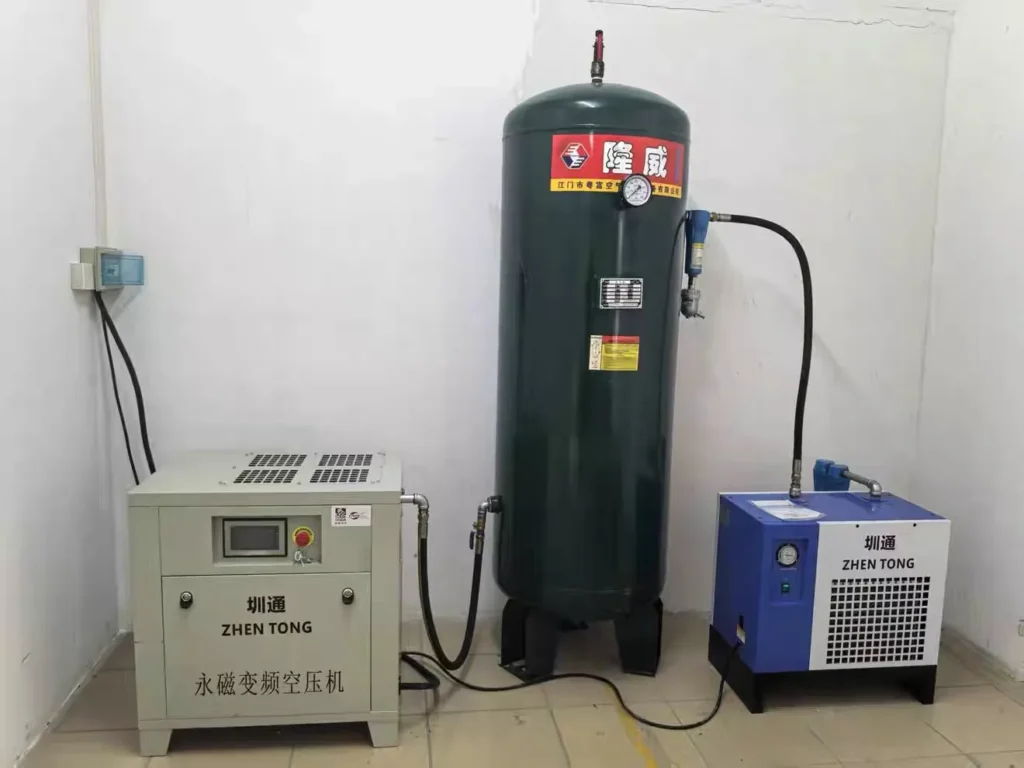
| Compressed-air systems | Provide prepared air for the specified application. | Pressure, flow, air condition, distribution, and simultaneous demand. |
| Dedicated cleaning systems | Supply the agreed cleaning services to compatible equipment. | Cleaning route, equipment construction, service conditions, and drainage. |
These groups address different services. Their capacities and ratings should be evaluated using the requirements relevant to each duty rather than combined into a single general utility capacity.
Cooling Duty and Receiving Connections
Cooling Duty and Receiving Connections
Cooling selection should identify what is being cooled and how the receiving equipment uses the service. Product temperature control, component cooling, and other equipment functions may have different operating conditions even within the same production area.
Review the consumer’s requirement together with its supply and return connections, operating periods, and available factory conditions. A cooling arrangement must suit the intended service at the machine, including the conditions present when other consumers operate.
Shared and dedicated systems create different distribution and operating arrangements. Compare the required service conditions, location of consumers, access, and maintenance needs. The useful question is which arrangement can support the specified duty within the actual factory, including the production periods when demand changes.
Steam Generation for Heating Services
Steam Generation for Heating Services
Steam equipment should be selected around the receiving application. Supplying heat through a compatible vessel jacket is a different duty from any use involving direct product contact. Identify the intended interface and service requirements before comparing equipment.
An electric steam generator provides a product reference for an actual configuration. The project assessment also considers its water supply, electrical supply, receiving equipment, connections, and routine operating access.
For the equipment-selection context, the guide to steam and electric heating arrangements provides related reading. The utility specification should identify the required service and receiving duty, with any steam-quality requirement addressed explicitly for the intended use.
Compressed Air at the Point of Use
Compressed Air at the Point of Use
Compressed air should be specified for its application. Pneumatic actuators, valves, and container-preparation equipment can place different requirements on the service. Pressure, available flow, and air condition all belong in the assessment.
Review simultaneous demand and the route from the air supply to the consumer. Drying, filtration, and distribution need to support the required condition where the air is used. The guide to compressed-air moisture control provides further context.
Define any direct or indirect interaction with the product or packaging. This helps establish the appropriate service specification without treating all factory air uses as equivalent. Routine access for the installed preparation components should also be included in the layout.
Cleaning-Service Equipment and CIP Interfaces
Cleaning-Service Equipment and CIP Interfaces
Cleaning-service selection starts with the equipment and pathway to be cleaned. Identify vessels, connections, transfer components, and any dispensing pathway included in the proposed route. Their construction determines the permitted method and access requirements.
A dedicated cleaning arrangement needs an agreed operating scope, services, and drainage provision. Review which components remain assembled and which require removal, together with the product residues and changeover requirements relevant to the factory.
The article on CIP spray balls and complete cleaning systems explains the distinction between a component and a coordinated cleaning arrangement. Equipment selection should follow the actual cleaning route and supported functions, with routine manual tasks identified alongside any automated stages.
Water Supply and Utility Boundaries
Water Supply and Utility Boundaries
Different utility consumers may need different water conditions. Identify the intended use and the required quality at each receiving point, including any make-up, circulation, or cleaning supply included in the arrangement.
Where on-site preparation is needed, review the separate water treatment systems category. That equipment addresses feed-water treatment and the intended outlet quality. Utility planning coordinates the service needed by the production equipment and its available supply.
This distinction also helps when existing factory water infrastructure is retained. Compare its available conditions with the selected consumers rather than assuming a new treatment installation is always required. Connection locations and responsibility for supply should be clear within the project.
Service Demand, Layout, and Operation
Service Demand, Layout, and Operation
Identify which equipment uses each service and when it operates. Preparation, production, cleaning, and standby periods can create different demands. Capacity planning should reflect the intended schedule and the conditions required by simultaneous consumers.
For mixing equipment and other production consumers, review service readiness before the planned operating cycle. Define any required coordination between the main machine and the utility unit according to the installed arrangement.
Allow space for connections, replenishment, routine checks, drainage where relevant, and component service. The factory utilities checklist provides broader installation context. The selected utility specifications should remain linked to the actual consumer requirements and site conditions.
Consumer Records and Service Availability
Consumer Records and Service Availability
A utility assessment benefits from a clear record of the equipment using each service. Identify its required connection conditions, operating periods, and any changes between production and cleaning. This gives the factory a practical basis for comparing available infrastructure with a new equipment requirement.
Where several consumers share a service, consider the work scheduled at the same time. A support arrangement should reflect that pattern rather than adding unrelated equipment ratings without considering their actual use. Identify the conditions that matter when one consumer starts, stops, or changes its duty.
Service access and routine checks should also remain visible in the plan. The installed equipment may need replenishment, inspection, or replacement of service components. Leave the working space required by the selected configuration and identify who performs those tasks.
For expansion, distinguish the present service requirement from the proposed next stage. Record the expected additional consumers and their intended use so any future allowance follows a defined plan. This keeps the initial arrangement matched to current production while making the assumptions behind later changes clear to the project team.
Typical Applications
Typical Applications
Cooling, heating, pneumatic operation, and defined equipment-cleaning duties in cosmetic, personal care, food, pharmaceutical, and chemical production facilities.
Selection Criteria for Utility Systems
Selection Criteria for Utility Systems
Compare the required service, receiving conditions, demand pattern, available infrastructure, distribution, controls, and maintenance access. Provide equipment information and an operating schedule so the assessment includes the actual consumers and their shared use.
Existing services can be retained where suitable, with additions planned around the current requirement and any agreed expansion. Consider operating effort, service materials, and maintenance alongside equipment purchase. The total cost of ownership guide provides related context for those longer-term factors.