Filling Machines
Featured


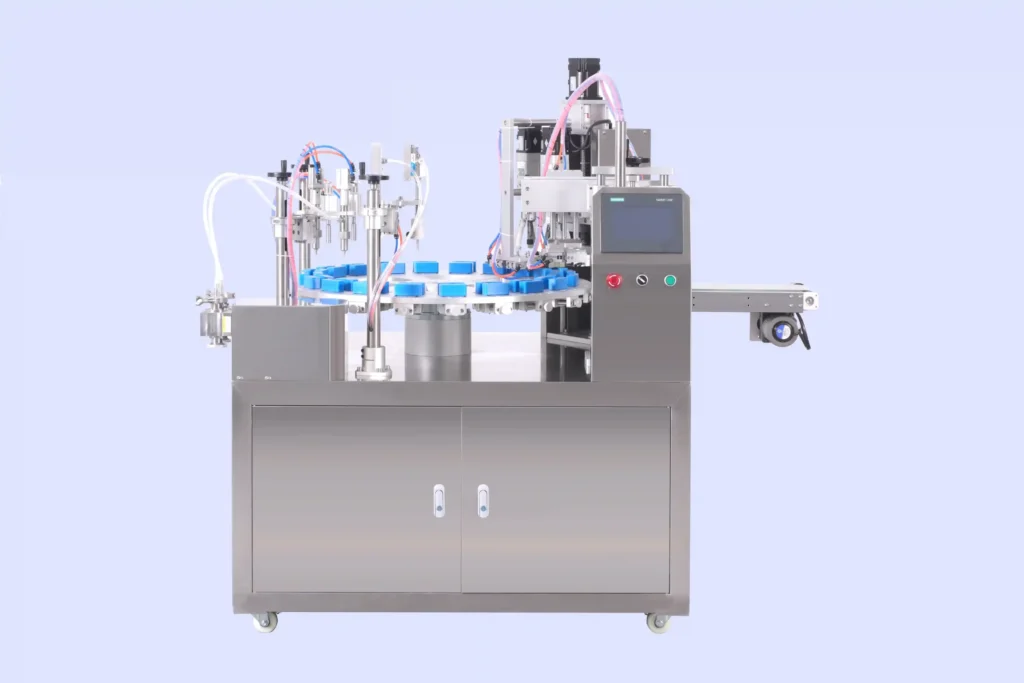
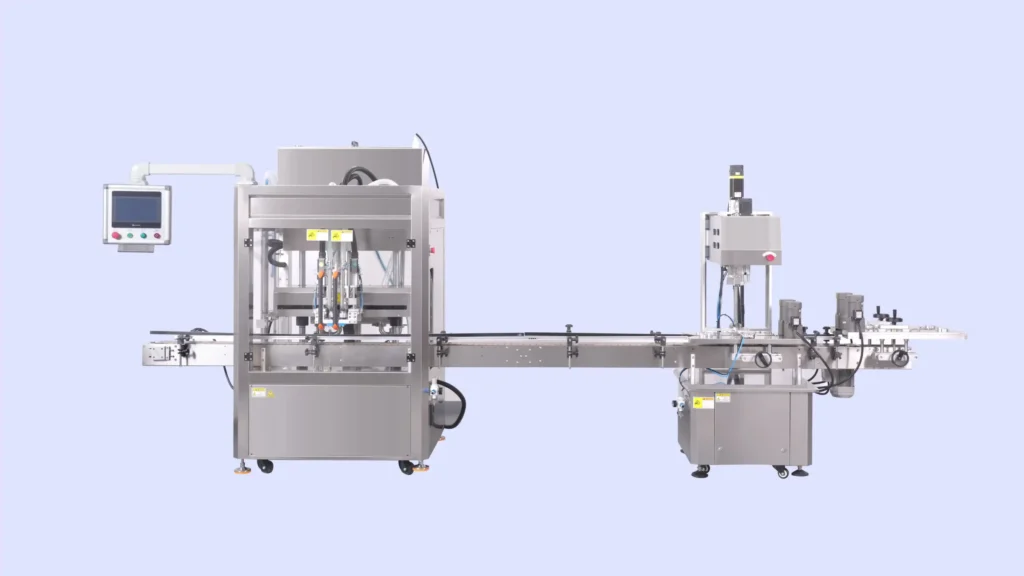


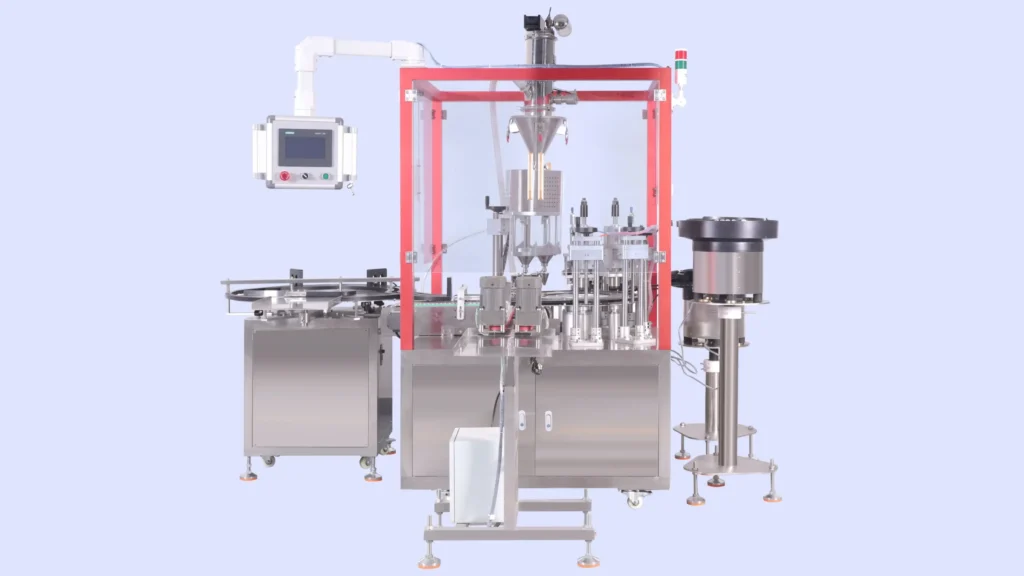

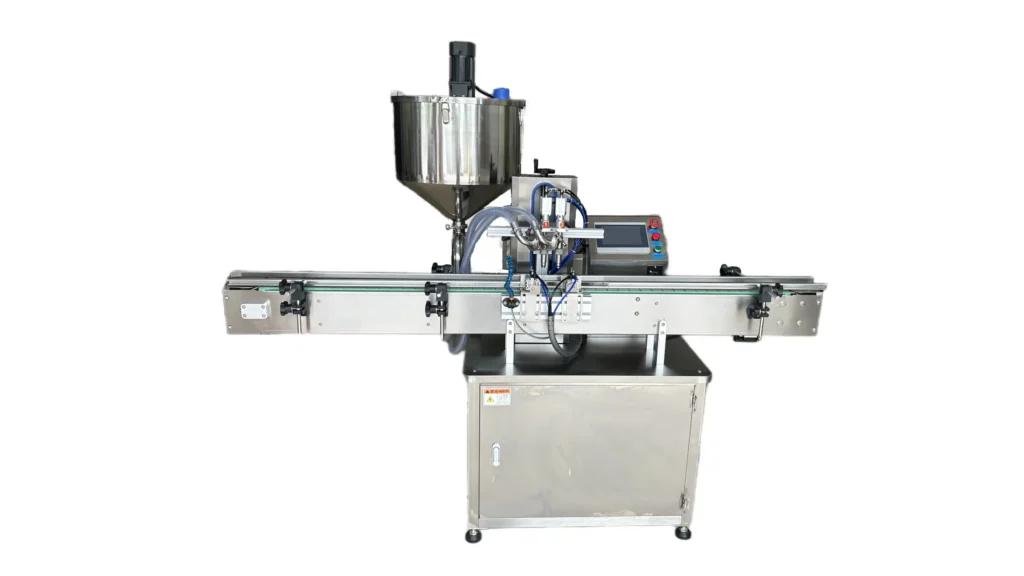


More About Our Machines
Filling Machines for Liquid, Cream and Paste Packaging
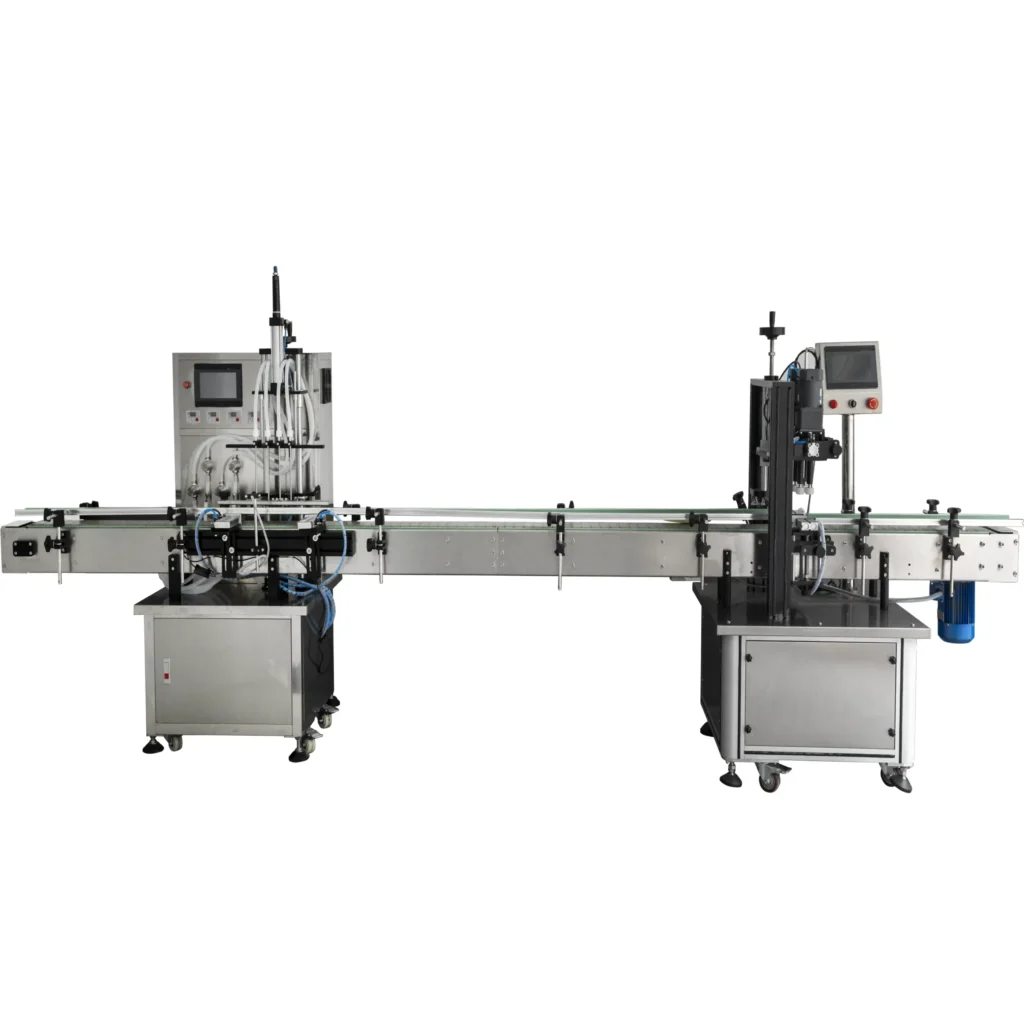
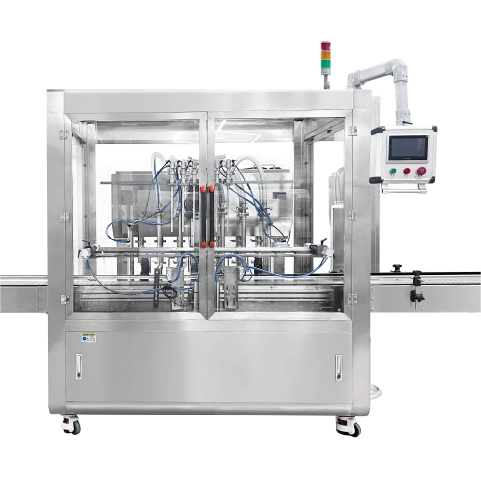
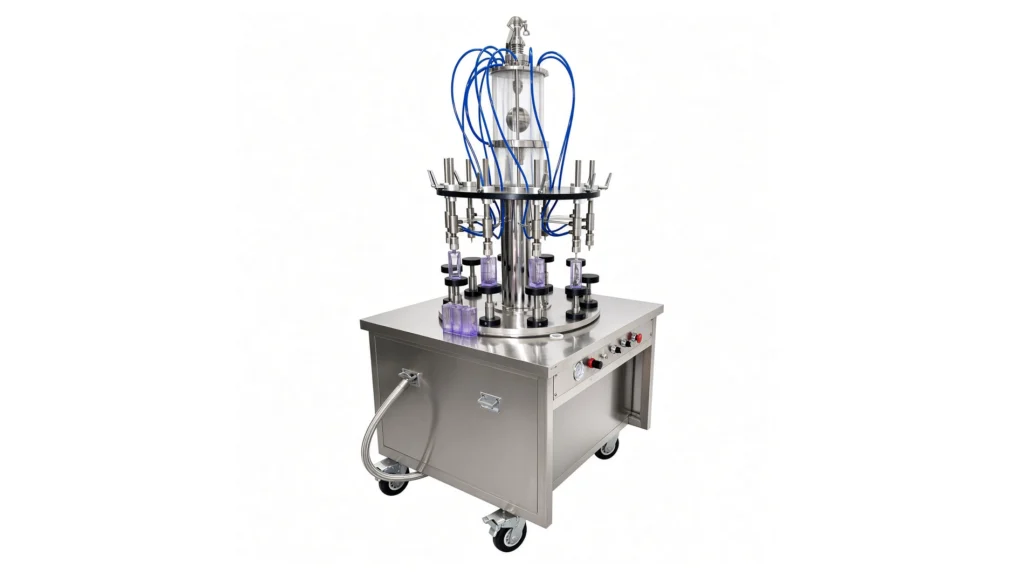
Filling machines dispense a controlled quantity of product into a receiving container. Depending on the equipment configuration, filling may operate as a standalone task or form part of an integrated sequence that includes container feeding, stoppering, capping or sealing.
StriversMachinery provides semi-automatic and automatic filling equipment for different product and packaging requirements. The category includes liquid, cream and paste fillers, together with equipment organized around particular container formats and closure operations.
Selection begins with the combination of product, container and production requirement. A machine that handles a free-flowing liquid in a rigid bottle may need a different dispensing arrangement from equipment handling a structured cream, a thick paste or a flexible spout pouch. Product names alone do not establish compatibility.
Use this category to compare equipment types and selection dimensions. Individual product pages provide the confirmed dispensing method, container compatibility, operating functions and performance specifications for each machine.
Explore the Six Filling Equipment Categories
The first three categories organize equipment primarily by product characteristics. The remaining categories provide entry points for filling combined with closure operations or specific container-handling requirements. These classifications can overlap because one formulation may be processed by more than one equipment type.
| Equipment category | Primary focus | Key point to evaluate |
|---|---|---|
| Liquid Filling Machines | Dispensing liquids with different flow, foaming and handling characteristics | Compatibility between the product, metering arrangement and container opening |
| Cream Filling Machines | Filling creams, lotions, gels and related formulations where supported | Product delivery, nozzle behavior and control of the filled deposit |
| Paste Filling Machines | Dispensing thicker or more structured products | Feed consistency, dispensing suitability and separation of product from the nozzle |
| Rotary Filling & Sealing Machines | Cup or tray filling and sealing, rotary bottle filling and closure equipment, and related pouch filling and capping configurations | The actual container-transfer arrangement and closure operation of the selected equipment |
| Automatic Vial Filling, Stoppering and Capping Machine | Vial-oriented filling and stopper or cap handling | Vial geometry, closure components and the confirmed sequence of operations |
| Automatic Piston Airless Pump Bottle Filling and Sealing Machine | Container-specific automatic filling and associated component-placement operations | The exact container construction and supplied assembly functions |
The category names provide navigation rather than a universal compatibility statement. For specialized containers, confirm the actual drawing, sample and required operation before selecting equipment. Container terminology should not replace a review of the packaging components.
Liquid Filling Equipment
Liquid filling equipment is assessed around how the product moves through the dispensing pathway and enters the container. Free-flowing, foaming and more viscous liquids can present different filling requirements even when their packages look similar.
Relevant selection dimensions include the intended quantity, product-contact materials, available feeding conditions, nozzle access and the behavior of the liquid during the filling cycle. A narrow-neck bottle and a wide-mouth container may require different nozzle positioning and handling arrangements.
The dispensing method should suit the actual product under the expected operating conditions. Time-controlled dispensing, pump-based metering and other filling arrangements should be compared through their confirmed equipment functions rather than treated as interchangeable.
For a broader explanation of metering approaches, see the guide to time-based and volume-based filling. Individual equipment specifications remain the reference for the supplied method and adjustable settings.
Cream and Paste Filling Equipment
Cream and paste filling categories overlap where product flow characteristics are similar. The distinction should be based on the actual formulation and its behavior during feeding and dispensing, rather than the commercial product label alone.
Important considerations include whether the product reaches the dispensing unit consistently, whether its structure changes during handling and whether it separates cleanly from the nozzle. The container opening and desired placement of the product also affect the suitable filling arrangement.
Some formulations may require a defined temperature or agitation condition during filling. Such provisions must be confirmed for the selected equipment. A machine described as a cream or paste filler should not automatically be assumed to include heating, mixing or a particular hopper design.
The heating and mixing filling guide provides related context where temperature and feed consistency influence the packaging requirement.
Filling Combined with Sealing or Capping
Integrated filling and closure equipment coordinates product dispensing with the operation needed to close the selected package. The required sequence differs between cups, trays, bottles and spout pouches.
For cups and trays, selection should identify the container support and sealing-material arrangement. For bottles, the required closure may involve placing and tightening a cap or another confirmed assembly operation. Spout pouches require handling suited to their flexible body and rigid spout.
Rotary describes a particular container-transfer arrangement, while filling and sealing describe process functions. Equipment grouped within this navigation section may use different handling layouts, so the actual operating arrangement should be confirmed on the selected product page.
The guide to stand-up pouch filling and capping provides packaging-specific context for flexible spout containers.
Vial and Other Container-Specific Equipment
Container-specific filling equipment must coordinate dispensing with the geometry and components of the package. Vials, cartridges and airless pump containers should be assessed as distinct packaging formats, even where some equipment functions appear similar.
Relevant operations may include automatic feeding, indexed transfer, filling, stopper placement, cap application or finished-container discharge. Only the functions confirmed for the selected equipment should be included in the production scope.
Stoppering and capping are separate operations. Vacuum-assisted stopper placement does not by itself establish that cap application or crimping is also supplied. Likewise, an air-handling enclosure does not independently establish aseptic filling capability.
For this equipment group, container and closure samples are especially important. Confirm the package construction, required assembly sequence and permitted handling conditions before assigning a machine to a particular duty.
Semi-Automatic and Automatic Configurations
Semi-automatic equipment combines powered filling functions with defined operator tasks. Depending on the configuration, personnel may position containers, initiate cycles or transfer filled packages to the next operation.
Automatic equipment can coordinate more of the handling sequence, but the included functions vary. Automatic filling does not necessarily mean automatic container feeding, closure feeding, inspection or complete downstream transfer.
The appropriate automation level depends on production continuity, staffing, package consistency and changeover frequency. A semi-automatic arrangement may suit variable production tasks, while an automatic arrangement may suit a more continuous and standardized packaging duty.
Compare the complete operating sequence rather than the automation label. Identify every task that remains manual and confirm whether the expected staffing arrangement can sustain the intended production schedule.
Product Characteristics That Influence Selection
A representative product assessment should describe the material at the conditions expected during filling. Temperature, flow behavior, entrained air, suspended particles and settling tendencies may influence the suitable configuration.
Foaming products may need a filling approach assessed around their behavior in the actual container. Products that form strings or leave a trailing deposit require attention to the end of the dispensing cycle. Materials containing particles need a pathway compatible with their size and handling sensitivity.
Product-contact compatibility also requires review. The pump, tubing, seals, valves and nozzle form part of the wetted pathway; identifying the frame or hopper material alone does not establish complete compatibility.
Where several formulations will share one machine, define the range of required duties. A machine demonstrated with one product should not automatically be assumed suitable for every product within the same liquid, cream or paste category.
Container and Closure Compatibility
Container selection affects both filling access and mechanical handling. Relevant details include the opening, overall geometry, rigidity, stability and the surfaces available for support or guidance.
Flexible packages, lightweight bottles and irregular containers can require different support arrangements. A container that stands reliably when empty may behave differently during filling or closure application.
Closure compatibility should be reviewed with the container. Cap dimensions, stopper geometry, sealing components and the required application method define the closure duty. Similar-looking components should not be treated as interchangeable without confirmation.
When several package formats are planned, identify the required change parts and adjustments. Container handling, nozzle position and closure equipment may each need separate conversion work.
Output, Staffing and Production Scheduling
Required output should describe the complete packaging task, including the expected product quantity, container format and available operating time. A machine’s nominal cycle capability does not establish the finished output of the complete operation.
Container loading, product replenishment, closure supply, changeovers and downstream handling can affect sustained production. These tasks should be included when evaluating whether a semi-automatic or automatic arrangement suits the factory.
Where several products or packages share equipment, compare the production schedule with the time needed for cleaning and conversion. More nominal filling capacity may provide limited benefit if frequent format changes dominate the available shift.
Future requirements should be expressed as specific additional duties. A wider package range, another closure type or a new formulation may require a different configuration rather than only a higher filling speed.
Filling Accuracy and Acceptance Conditions
Filling accuracy should be assessed under agreed product, container and operating conditions. A quoted accuracy statement needs a clear measurement basis and acceptance method before it can support equipment comparison.
Identify the target quantity, permitted variation and sampling approach. Clarify whether the requirement is expressed by volume, mass or another defined measure, and how the production team will verify the result.
Changes in product condition, feeding consistency or operating setup can affect the relevance of a previous demonstration. Acceptance should represent the intended production duty rather than an unrelated test liquid or package.
The guide to filling accuracy testing methods provides further detail on measurement and evaluation. Model-specific accuracy claims belong on the individual equipment page and in the agreed technical documents.
Changeover and Cleaning Requirements
Changeover involves more than selecting a different filling quantity. A new product or container may require changes to the wetted pathway, handling components, nozzle position, closure arrangement or operating settings.
Cleaning selection should consider product residues, material compatibility and the level of access needed. Confirm which components are detachable and which require an approved cleaning route through the assembled system.
Cleaning-in-place, automatic cleaning and sterilization functions must be specified separately where required. Their availability cannot be inferred from stainless steel construction, a touchscreen or a general hygiene description.
For shared production equipment, assess the practical sequence between product removal and return to service. The required inspections and quality checks should follow the site’s approved changeover procedure.
Feeding, Holding and Transfer Interfaces
A filler needs a consistent product supply within its approved operating conditions. Upstream preparation, holding and transfer arrangements should therefore be considered alongside the dispensing equipment.
Related mixing equipment may prepare the product before packaging, while storage and holding systems may buffer the supply between preparation and filling.
The required interface depends on the actual product and production layout. Define the receiving connection, replenishment method and operating responsibility rather than assuming every filler can accept any upstream feeding arrangement.
Where a separate transfer system is needed, its delivery conditions must match the selected filler. Excessive supply variation should not be treated as a problem that the filling machine will automatically correct.
Downstream Closure and Packaging Equipment
A standalone filler may need separate downstream equipment to complete the package. The required operations depend on the container and the closure supplied with it.
Review capping machines where cap application is a separate duty, and labeling machines where product identification follows filling and closure.
Equipment interfaces should account for transfer height, container stability, spacing and the operating sequence. A collection of individually automatic machines does not automatically form a coordinated production line.
For broader project scope, complete production line solutions provide the relevant category for considering connected processing and packaging equipment.
Installation, Services and Maintenance Access
Installation requirements depend on the selected filling method, handling arrangement and additional functions. Confirm electrical supply, compressed air and any other services from the actual equipment schedule.
Layout planning should include operator access, product replenishment, container loading, closure supply and removal of finished packages. Maintenance and cleaning access need space beyond the machine’s basic footprint.
Replacement parts and consumables should be identified by the installed component specification. Tubing, seals, valves, nozzles and other service items vary between dispensing arrangements and should not be selected from the category name alone.
For alcohol-containing, flammable or otherwise sensitive materials, the operating environment and equipment configuration require specific assessment. Compatibility or hazardous-area suitability must be confirmed for the intended duty.
Typical Applications
Perfume, essential oil, toner, serum, lotion, cream, gel, shampoo, liquid soap, detergent, honey, syrup, sauce, oral care products and selected pharmaceutical liquids, subject to the confirmed equipment configuration.
Project-Specific Equipment Configuration
StriversMachinery manufactures core mixing and emulsifying equipment in-house and works with long-term partner manufacturers for complementary equipment. Filling equipment can be considered as a standalone requirement or as part of a coordinated processing and packaging project.
Configuration should follow the actual product, packaging components, production schedule and available factory services. Installation, commissioning and operator-training requirements can be considered alongside the equipment scope.
Key Factors to Evaluate Across Filling Machines
- Product flow behavior at the intended filling conditions.
- Container geometry, opening and handling requirements.
- Closure components and the required application method.
- Target fill quantity and agreed acceptance criteria.
- Sustained output, staffing and operating schedule.
- Manual tasks and supplied automatic functions.
- Product replenishment and upstream transfer conditions.
- Change parts, cleaning access and conversion requirements.
- Downstream equipment interfaces and available floor space.
- Utilities, maintenance support and future packaging duties.
Use these factors to identify the relevant equipment category, then review the individual product pages for verified specifications and confirmed operating functions.