
Cream Filling Machines


More About Our Machines
Cream Filling Machines for Creams, Lotions and Gels
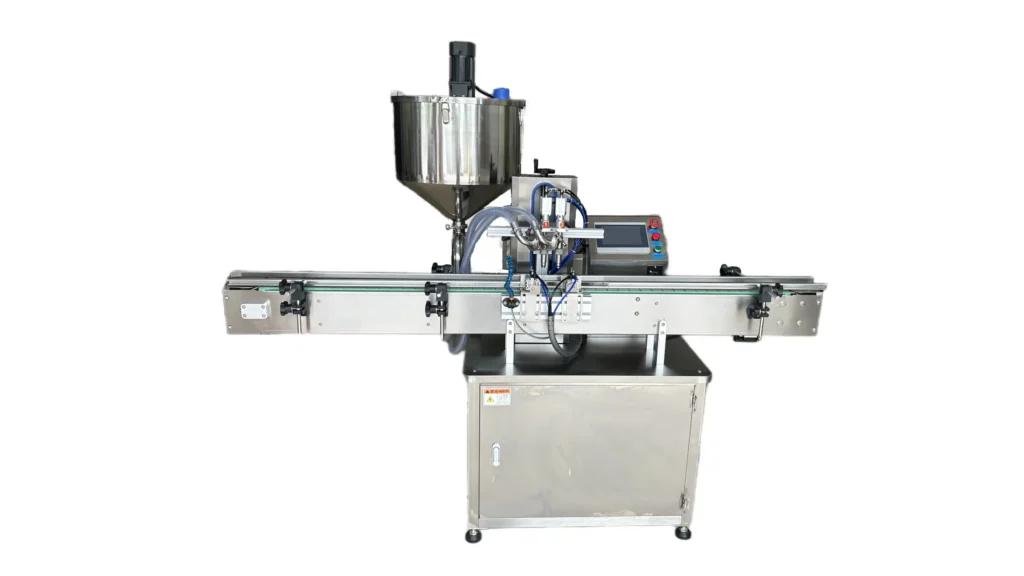
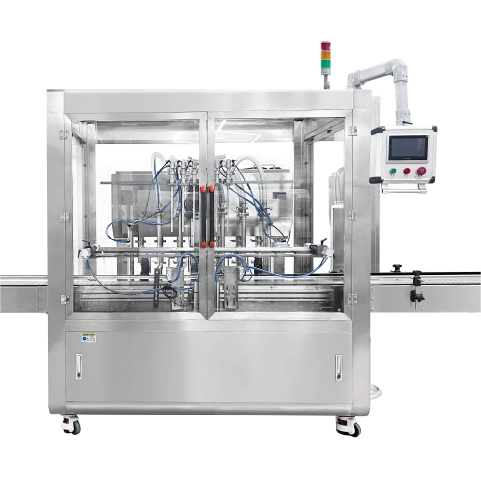
Cream filling machines dispense a controlled quantity of product into a compatible container. The appropriate configuration depends on how the formulation behaves during feeding and dispensing, together with the opening, shape and handling requirements of the package.
Within the broader Filling Machines range, this category focuses on cream-like formulations rather than a single metering technology. Equipment may use different dispensing arrangements and automation levels, with suitability established for the actual product.
The word cream does not define one consistent flow behavior. A lotion, a structured cream and a gel can place different demands on the product supply, dispensing pathway and nozzle. Selection should therefore use representative product information rather than rely on the commercial product name alone.
Equipment Configurations Within This Category
Cream filling equipment can be organized by operating arrangement, product-feeding method and dispensing configuration. These are separate selection dimensions: an automatic machine does not necessarily use a different metering principle from a semi-automatic one.
| Configuration dimension | What to establish | Selection consideration |
|---|---|---|
| Semi-automatic operation | The filling functions performed by the equipment and the remaining manual tasks | Operator involvement, package variety and production scheduling |
| Automatic operation | The supplied container handling and dispensing sequence | Sustained production requirements and interfaces with other equipment |
| Pump-based dispensing | The actual pump and quantity-control arrangement | Compatibility with the formulation and product-contact requirements |
| Product-feed arrangement | Hopper supply or another confirmed replenishment method | Consistent delivery of product to the dispensing unit |
| Conditioned product supply | Any specifically supplied heating or agitation provisions | Maintaining the product conditions required during filling |
| Integrated packaging functions | Any included closure or downstream handling operations | The boundary between filling and package completion |
Confirm the actual combination on the individual equipment page. The category does not imply that every machine includes heating, mixing, automatic container feeding or closure application.
Product Flow Behavior and Filling Suitability
The formulation should be assessed at the conditions expected during production. Temperature, structure, entrained air and changes during holding can affect how consistently it reaches the dispensing unit and enters the package.
A product that pours slowly may still behave differently from one that holds its shape. Some formulations move readily once dispensing begins, while others require a more carefully matched feed arrangement. A general viscosity description is useful but should not replace an assessment of actual handling behavior.
Where a numerical viscosity value is supplied, its measurement conditions should be identified. Values recorded using different methods or temperatures may not provide a reliable basis for comparing equipment suitability.
Describe any relevant formulation sensitivity, including the need to preserve a particular product condition during transfer and filling. Compatibility must be established for the selected dispensing pathway rather than assumed from the equipment category.
Metering and Dispensing Arrangements
The filling method should be identified separately from the machine layout. Pump-based systems and other dispensing arrangements can differ in product handling, setup and service requirements.
The selected configuration must support the target quantity under the expected operating conditions. Quantity adjustment, product supply and nozzle behavior should be evaluated together rather than treating the metering unit as an isolated component.
Equipment descriptions should name the actual dispensing method. Servo control, a touchscreen or automatic container transfer does not independently establish which method measures the product quantity.
The guide to time-based and volume-based filling provides broader context for comparing quantity-control approaches. Confirm the supplied method and functions for the individual machine.
Product Feeding and Hopper Configuration
A cream filler requires a product supply that remains within its approved operating conditions. The feeding arrangement should account for how the formulation enters the machine and how replenishment occurs during production.
For hopper-fed configurations, assess usable access, the replenishment method and the behavior of product as the hopper level changes. A hopper provides a receiving arrangement, but its presence alone does not establish consistent feeding for every cream or gel.
Agitation should be specified only where required and confirmed. It is not automatically beneficial to every formulation, and an agitator-equipped hopper should not be assumed to reproduce the functions of the upstream processing vessel.
Where the product needs controlled handling during the packaging period, the heating and mixing filling guide provides related considerations. Actual heating and agitation provisions remain configuration-specific.
Containers, Nozzle Access and Deposit Placement
Container selection affects the space available for the nozzle, the required product placement and the support needed during filling. Jars, bottles and other packages can require different positioning arrangements.
Review the actual opening and internal geometry rather than the nominal container capacity alone. The desired quantity must leave the space required for the intended closure and subsequent handling.
Nozzle performance should be assessed with the formulation. Product trailing, residue at the outlet and the condition of the container opening can influence the suitability of a filling arrangement.
Features intended to control the end of dispensing must be confirmed for the selected machine. A cream-filling description does not independently establish drip-free performance or clean separation for every product.
Semi-Automatic and Automatic Operation
Semi-automatic cream fillers retain defined operator tasks, which may include container positioning, cycle initiation or removal of filled packages. Automatic configurations coordinate more of the handling sequence where included in the supplied scope.
The appropriate operating arrangement depends on production continuity, staffing and the variety of packages being processed. A flexible manual loading arrangement and a coordinated automatic transfer arrangement address different operating priorities.
Confirm container feeding, product replenishment, package transfer and collection individually. Automatic dispensing does not establish that every surrounding task is also automated.
Detection and alarm functions should also be listed separately. Identify the supplied response to missing containers, interrupted product supply or other monitored conditions rather than inferring protections from the automation label.
Output and Multi-Product Scheduling
Required output should describe the complete filling duty, including the formulation, target quantity, package and available operating time. Nominal machine speed does not establish the finished output of every product and container combination.
Production planning should account for product replenishment, container loading, operating checks and downstream handling. These activities can influence sustained production even when the dispensing cycle runs automatically.
Where several formulations share the equipment, assess cleaning and setup time alongside filling capacity. A production schedule dominated by short runs may place greater importance on accessible changeover than on nominal speed alone.
Future requirements should identify the additional products, quantities or packages expected. A new cream or container may require a different feed arrangement, nozzle or handling component rather than only a change to the filling setting.
Filling Accuracy and Evaluation Conditions
Filling accuracy should be evaluated under agreed product and operating conditions. The acceptance requirement needs a defined target quantity, measurement basis and method of assessing variation.
Clarify whether quantity is specified by mass or volume and how the production team will verify it. Representative product conditions are important when determining whether an equipment demonstration reflects the intended duty.
The filling accuracy testing guide provides further measurement context. Model-specific accuracy figures belong on individual equipment pages and in the agreed technical documents.
Evaluation should also consider the filled package. Quantity consistency, product placement and the condition of the opening are separate observations; an acceptable result for one does not establish the others.
Cleaning and Formulation Changeover
Cleaning selection depends on the residue, product-contact pathway and requirements for the next formulation. Confirm which components are removable and which need an approved cleaning route through the assembled system.
The hopper, dispensing unit, connections and nozzle may require different access or service procedures. Review the complete pathway instead of assessing only the most visible vessel or outlet.
For broader access considerations, see the guide to cleaning dead corners in process equipment. The actual machine documentation must define its permitted cleaning methods.
Stainless steel construction does not independently establish automatic cleaning, sterilization or compatibility with every cleaning agent. These capabilities need confirmation for the supplied components and configuration.
Upstream Preparation and Downstream Closure
A cream filler receives a product that has already reached the required condition for packaging. Upstream preparation and holding arrangements should therefore be considered when defining the filling interface.
Related vacuum emulsifying mixers may form part of the product-preparation equipment, while storage and holding systems may provide a buffer before filling. Their inclusion depends on the project rather than the filler category alone.
Filled containers may require separate capping machines or labeling machines. Define the condition in which packages leave the filler and the receiving requirements of each downstream operation.
For products packed in soft tubes, review the separate Tube Filling & Sealing Machines category. Tube handling and tail closure require packaging-specific equipment and should not be inferred from general cream-filling capability.
Installation and Service Requirements
Installation planning should provide access for product replenishment, container loading, cleaning and maintenance. The equipment footprint alone does not describe the complete operating area.
Electrical, compressed-air and any heating-service requirements must follow the selected configuration. Confirm the services required by auxiliary product-feeding equipment as well as the filler itself.
Product-contact materials and seals should be reviewed for the formulation and cleaning method. Identifying the frame or hopper material alone does not establish compatibility throughout the dispensing pathway.
Maintenance planning should use the installed component specifications. Pumps, tubing, seals, valves and nozzles can create different service requirements, even among machines used for similar products.
Typical Applications
Face cream, body cream, lotion, cosmetic gel, conditioner, hair mask and selected ointment formulations, subject to confirmed product and equipment compatibility.
Key Factors to Evaluate Across Cream Filling Machines
- The formulation’s behavior at the intended filling conditions.
- The required quantity and agreed acceptance criteria.
- The actual metering and dispensing arrangement.
- The product-feed method and replenishment requirements.
- Any specifically required heating or agitation provisions.
- The container opening, nozzle access and product placement.
- The automatic functions and remaining operator tasks.
- The cleaning access and multi-product changeover requirements.
- The downstream closure and package-transfer interfaces.
- The utilities, maintenance support and future packaging duties.
StriversMachinery evaluates equipment configurations according to individual project requirements. Define the formulation, container and production schedule together before selecting the appropriate cream-filling arrangement.