No.
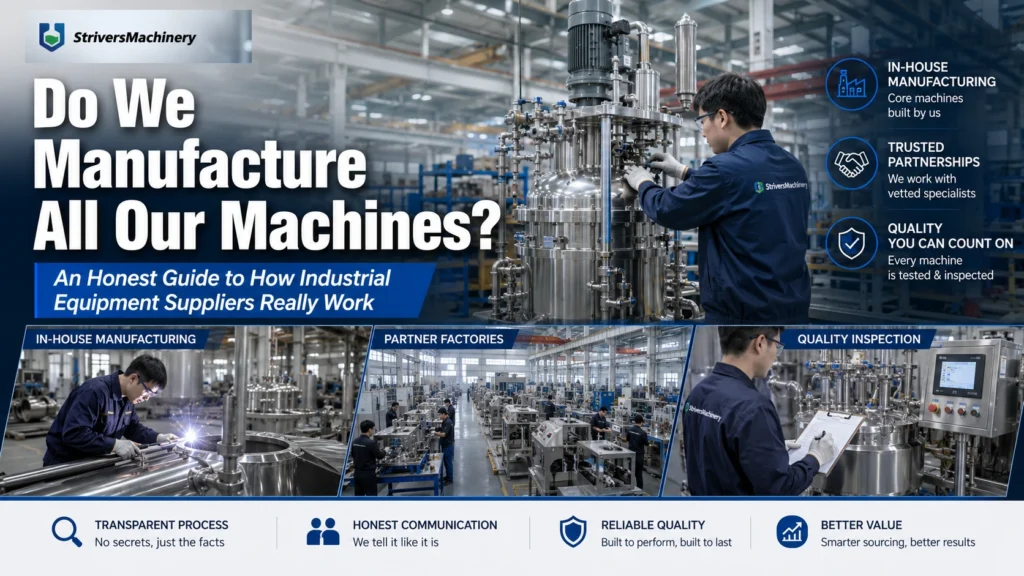
StriversMachinery manufactures its core mixing equipment in-house and works with long-term partner factories for complementary machines. We coordinate equipment selection, integration, delivery, and support within the agreed project scope.
It is a fair question to ask before buying machinery. You want to know where the equipment comes from, how it will be checked, and who will help after delivery. A clear answer should cover all three.
This guide explains our approach and gives you practical questions to use with any industrial equipment supplier. Start with the work your project needs, then check who can demonstrate the ability to deliver it.
1. Why Customers Ask Whether We Manufacture Everything
When a buyer asks, “Are you a factory or a trading company?”, the concern usually goes beyond factory ownership. Will the machine match the quotation? Can the supplier explain its design? Are spare parts available? Who deals with a problem after installation?
Those concerns deserve specific answers. Ask which factory builds each major machine, which company you are contracting with, and who handles technical decisions and service. Put the agreed responsibilities in the project documents.
Our equipment buying guide helps turn the product, output, cleaning, and site requirements into a usable specification. That gives every supplier the same problem to answer.
2. Manufacturer, Trading Company, or Integrated Supplier?
These labels describe parts of a business model. They can help you understand a proposal, but they do not grade a supplier’s technical ability or reliability. Companies also overlap: a manufacturer may supply partner equipment, and a trading company may employ experienced engineers.
Specialized Manufacturers
A specialized manufacturer builds particular equipment categories. Direct access to its design and production teams can be useful for a custom machine, process trial, or technical change. Ask to see the relevant manufacturing work and discuss a comparable application.
For a single-machine replacement, this can be a straightforward route. Confirm the connections to your existing line and the support arrangements before ordering.
Trading Companies
A trading company sources equipment from other manufacturers. It may help with supplier selection, export arrangements, communication, and service. The level of engineering involvement varies between companies, so ask who reviews specifications, inspects the equipment, and resolves technical issues.
A broad catalog can be useful. What matters is whether the supplier understands the machines it offers and can support the agreed work.
Integrated Suppliers and System Integrators
An integrated supplier coordinates equipment and the connections between it. Some manufacture core machines; others focus on engineering, purchasing, assembly, and commissioning. At StriversMachinery, we combine core mixing-equipment manufacturing with partner equipment and project coordination.
For complete production lines, ask who checks the layout, transfer conditions, controls, containers, and operating sequence. An integrator’s value becomes clear in those details.
| Supplier Approach | What It Can Offer | What to Verify |
|---|---|---|
| Specialized manufacturer | Direct manufacturing and design work within its equipment range | Relevant capability, tests, connections, and service scope |
| Trading company | Sourcing, commercial coordination, export, and agreed technical services | Actual manufacturers, engineering involvement, inspection, and support arrangements |
| Integrated supplier or system integrator | Coordination of equipment, connections, installation, and commissioning | Named responsibilities, integration checks, system tests, and handover scope |
3. Why Complete Lines Often Involve Specialist Manufacturers
A complete line brings together different kinds of work. Vacuum mixing involves vessel design, agitation, homogenizing, heating, cooling, and vacuum control. Filling and capping involve dosing, container handling, closure application, and timing. Labeling adds label handling and positioning requirements.
Some companies cover several of these disciplines in-house. Others use specialist partners. Either arrangement can work when the capability is demonstrated and the responsibilities are clear.
The useful question is, “Which parts do you build, which do you source, and how do you check that they work together?” A factory tour can help verify manufacturing activity. A project review shows how the proposed machines meet your requirements.
Our heating, mixing, and filling guide explains why the conditions passed between stages matter. Product temperature, viscosity, transfer method, and holding time can affect the next machine’s work.
Recommended Equipment

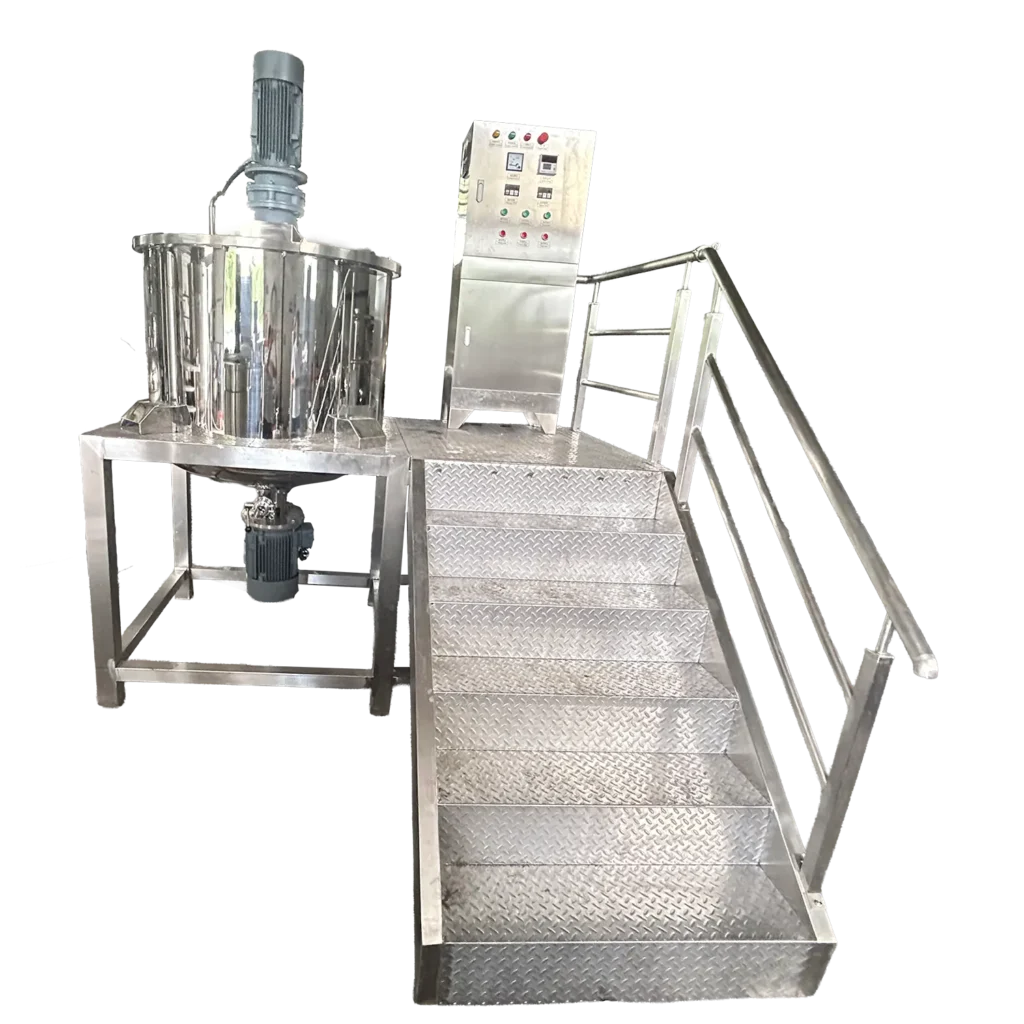
100L PLC Hydraulic Lift Vacuum Emulsifying Mixer with Diaphragm Discharge Valve for Sanitary Production
View Details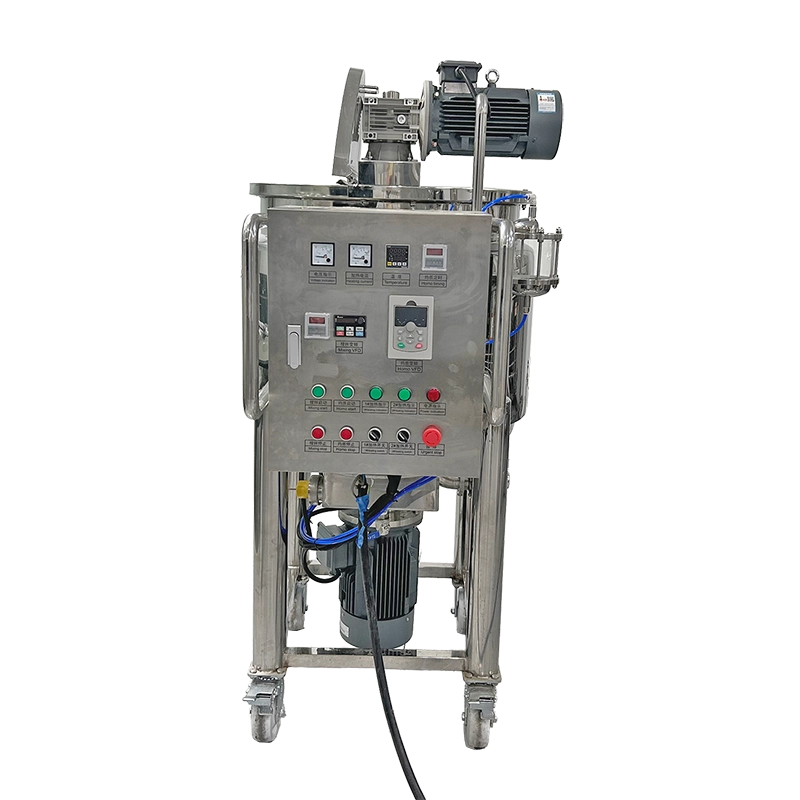
200L Mobile Electric Heating Homogenizing Mixing Tank with High Shear Mixer for Cosmetics, Cream, Lotion, Shampoo and Liquid Products
View Details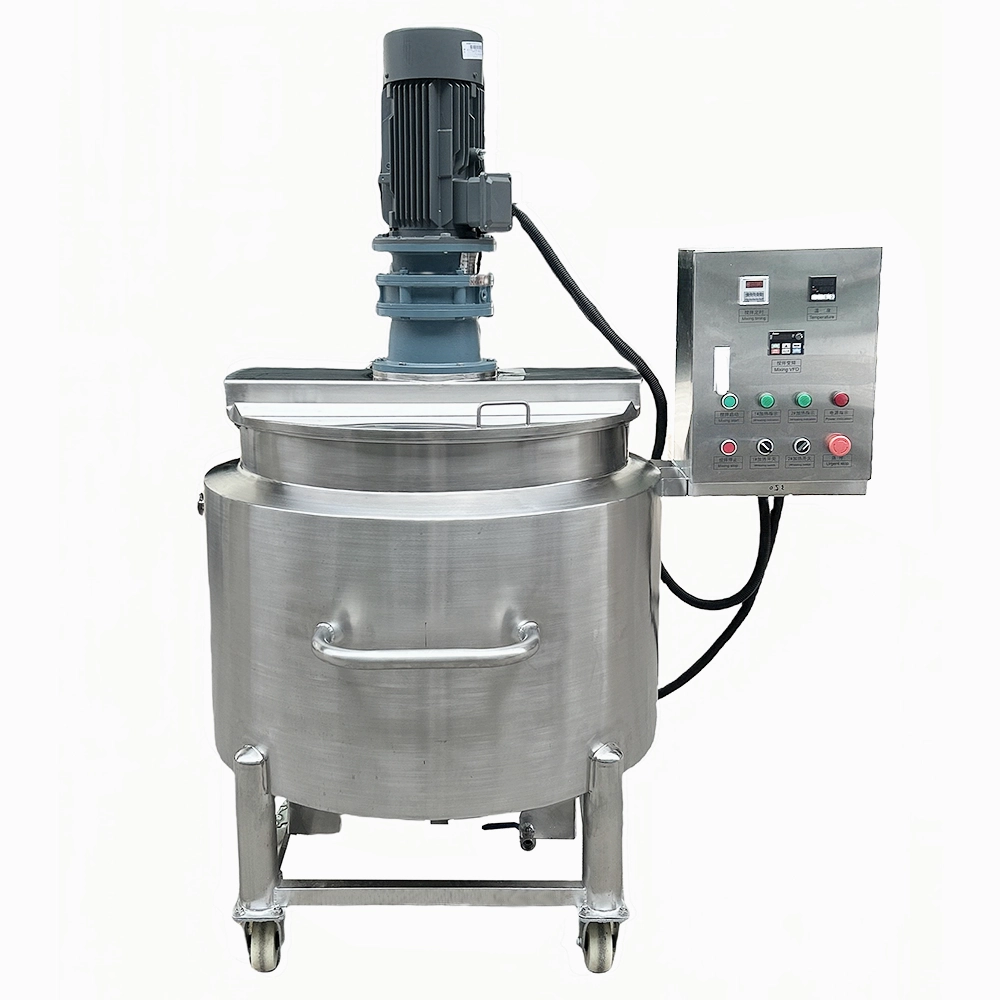
4. What StriversMachinery Manufactures In-House
Our core manufacturing work centers on vacuum emulsifying mixers, mixing tanks, storage tanks, and homogenizing equipment, including the heating and cooling arrangements specified for those machines. This is where we concentrate our direct manufacturing experience.
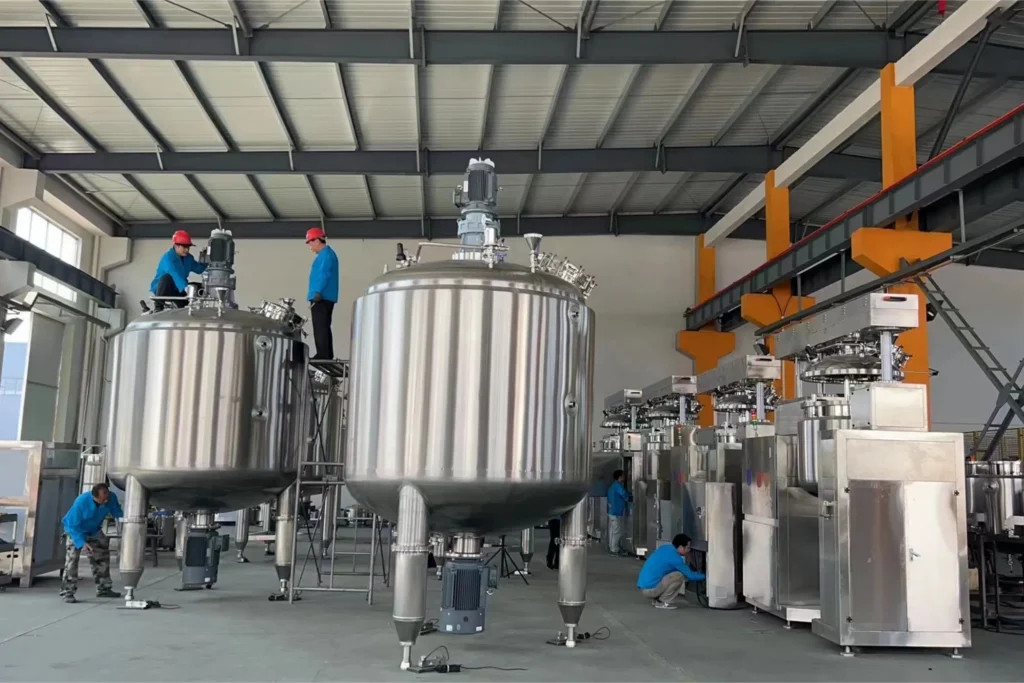
Within our vacuum emulsifying mixer range, the configuration follows the product and batch requirements. We discuss working volume, agitation, homogenizing, vacuum, access, discharge, and cleaning before settling the equipment scope.
A 20L laboratory vacuum mixer and a 5000L homogenizer mixing tank solve different production problems. A buyer should be able to see those differences in the drawings, components, operating functions, and test plan.
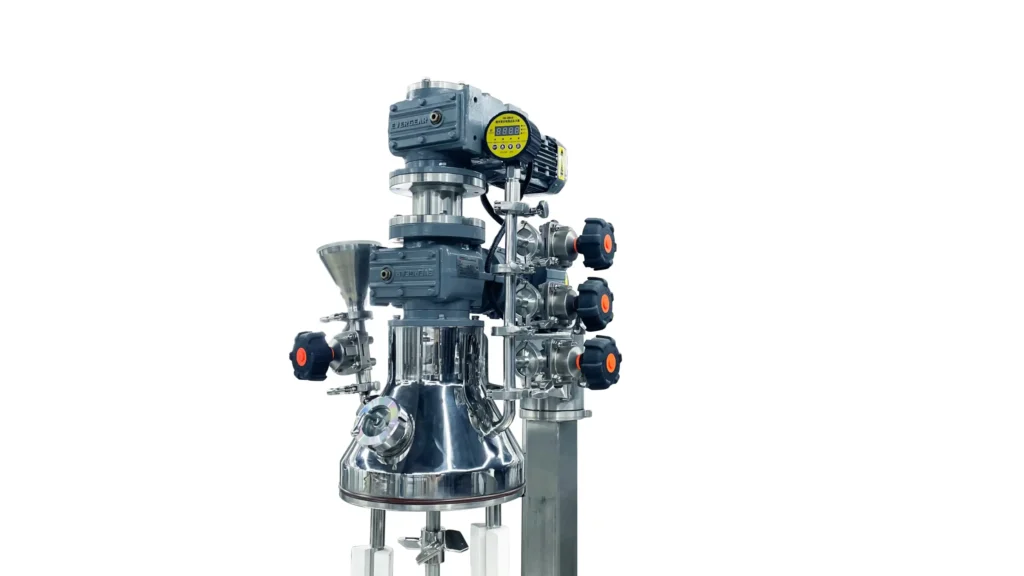
Material selection needs the same attention. Our 304 versus 316L guide explains how product chemistry, cleaning, and operating conditions affect that choice. The material requirement should connect to the supplied machine and its agreed records.
Customers can arrange a workshop visit or video discussion to review relevant equipment and work in progress. Tell us which manufacturing activities or design details you want to see so the visit answers your questions.
5. Why We Work with Partner Factories
We use long-term partner factories for complementary equipment such as filling, capping, labeling, packaging, and water treatment. This lets us bring specialist equipment into a wider project while keeping the overall equipment and coordination scope visible.
When reviewing a partner, we look at relevant equipment experience, technical communication, inspection and testing capability, delivery, documentation, spare parts, and service. The project then needs checks suited to the particular machine and application.
Ask us which equipment is partner-supplied and how it will be reviewed. For example, a filling-machine proposal should address the product, containers, dose, output, cleaning, and the measurements used to assess performance. Our filling accuracy testing guide explains one part of that assessment.
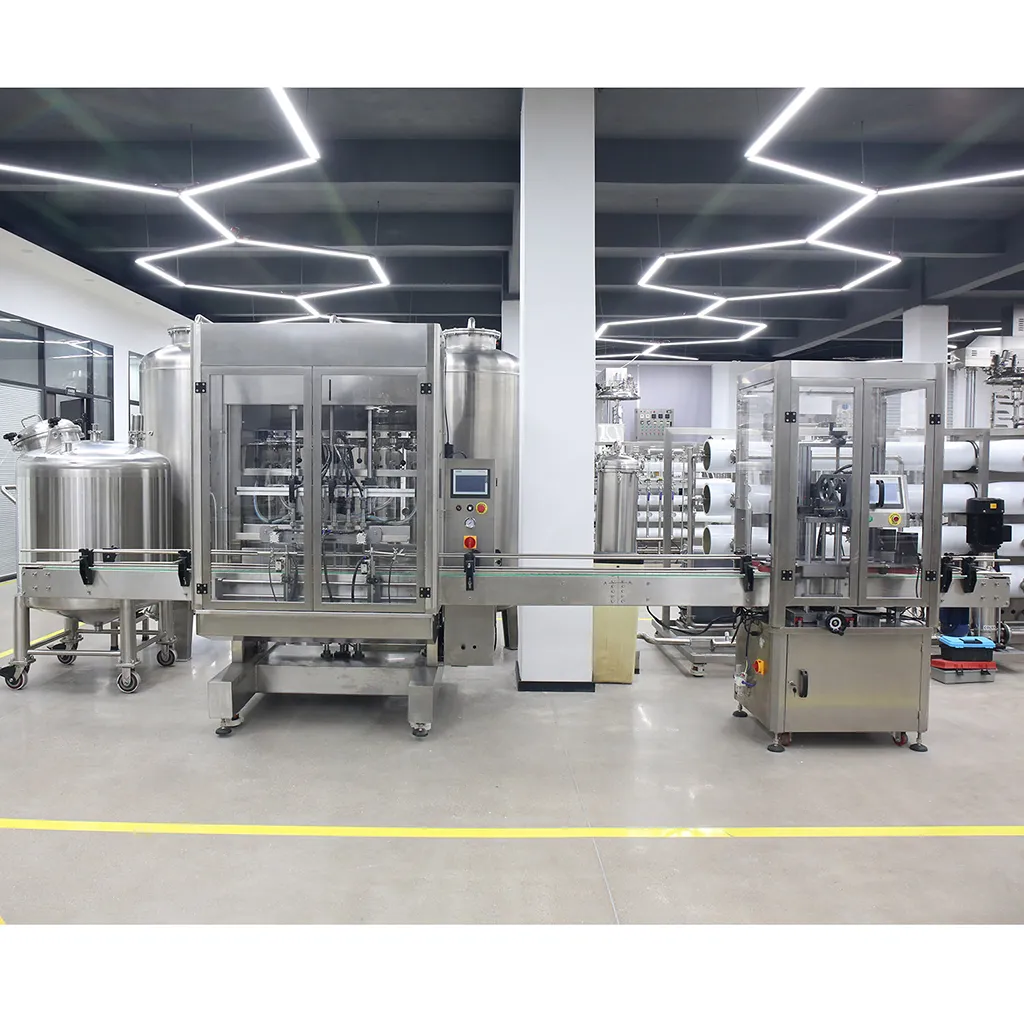
Long-term cooperation helps teams understand each other’s equipment and working methods. We still need to confirm the actual configuration and project requirements for each order. Changes to components, dimensions, or operating functions should be raised before they become a surprise at delivery.
The equipment quality guide describes the materials, components, inspections, and records a buyer can ask to review. These checks are useful for both our own equipment and partner-supplied machines.
6. How We Define Quality Checks and Acceptance
Different machines need different tests. A mixer, a filling machine, and a water treatment skid should share a clear approach to specifications and records, while their performance checks follow their own duties.
Agree the inspection and test plan before shipment. Identify the machine, approved configuration, test materials, operating conditions, measurements, acceptance criteria, and treatment of unfinished work. Record corrections and any required retest.
Our factory acceptance testing guide explains how to structure that review. When the actual product or full line is unavailable at the factory, state what the test covers and which checks remain for the customer’s site.
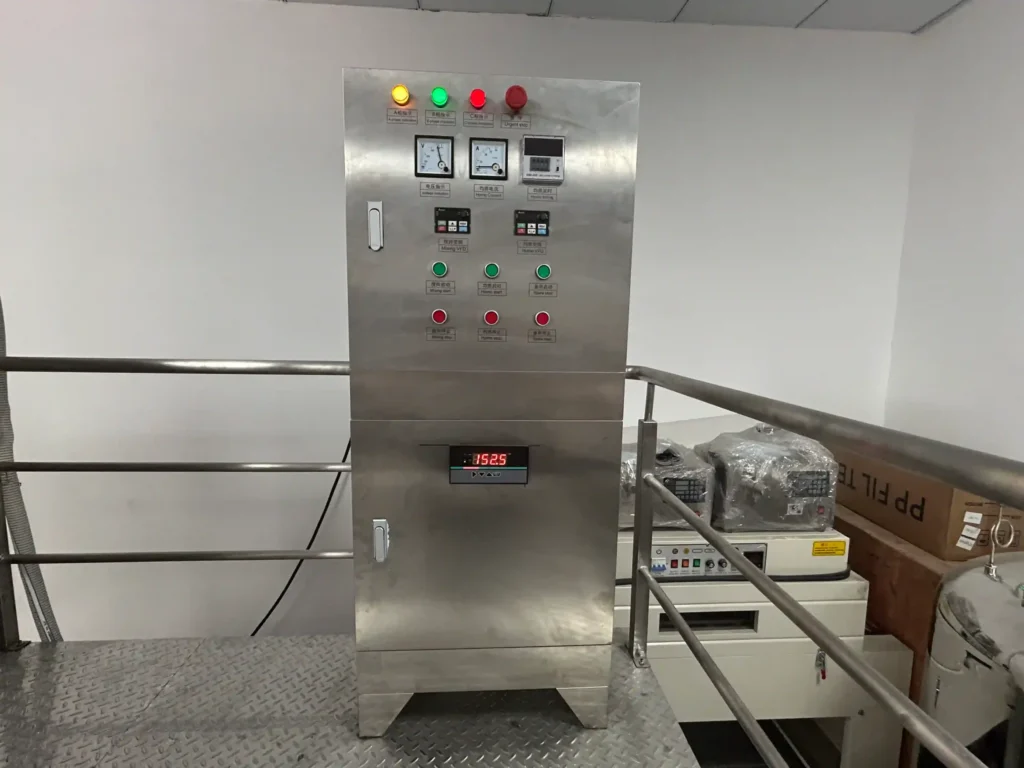
Controls deserve a specific review. Confirm the component models, operator functions, alarms, interfaces, and supplied settings or backups. A cabinet photograph shows the operator panel; it cannot confirm the internal wiring or every programmed function.
Cleaning requirements also need to be clear. Our cleaning-method guide explains the difference between a visible spray fitting and an agreed cleaning arrangement. The dead corners guide helps identify areas to review in vessels and connections.
Ask which drawings, operating instructions, parts information, inspection records, and test results will accompany the equipment. Keep the document list connected to the order and machine identity.
7. Why Project Execution Matters as Much as the Machines
A machine can pass its own test and still cause trouble in a poorly coordinated line. The work between machines needs an owner: product transfer, container movement, control signals, utilities, access, and operating sequence.
A Project Lesson: Good Machines, Unresolved Connections
Related Solutions




We have worked with customers whose previous projects stalled because equipment connections had not been coordinated. The problem was not necessarily a defective machine. Nobody had clearly taken responsibility for making the separate stations work together.
A filler’s stated output needs to match the downstream capping and container-handling arrangement. A mixer’s discharge and transfer method need to suit the receiving equipment. These are practical design questions to resolve before installation.
Our pump selection guide explains transfer requirements to review, including viscosity, temperature, distance, and cleaning access. Put those details into the equipment review instead of leaving them for the installation team to guess.
Agree Who Does What
A short responsibility list helps both teams. The following is a planning example to discuss and adapt to the contract.
| Work Item | What to Record |
|---|---|
| Layout and connections | Drawing owner, connection dimensions, transfer conditions, and design approval |
| Controls and line operation | Signals, sequence, speed coordination, fault response, and test responsibility |
| Site preparation | Utilities, drains, foundations or supports, access, and readiness date |
| Installation and commissioning | Included work, local contractors, materials, travel, charges, and acceptance checks |
| Training and handover | Operators, cleaning and maintenance tasks, records, and open items |
| Service | Contact route, troubleshooting information, spare parts, and agreed warranty arrangements |
The factory utilities checklist helps establish site readiness. Our installation guide covers issues to resolve before equipment starts running.
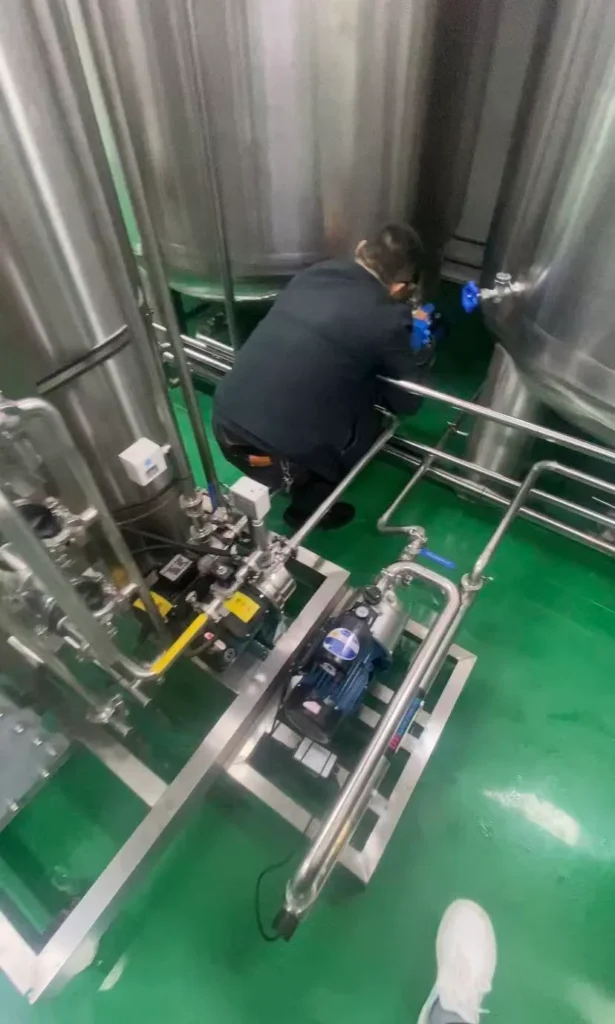
Training should cover normal operation, changeovers where applicable, cleaning, routine maintenance, and the response to common faults. Agree the training scope and who will attend. Leave the operators with instructions they can use after the engineer leaves.
For a phased factory project, include future additions in the equipment and layout plan. If the line is already working, the retrofit guide helps review the new equipment alongside existing constraints.
8. Compare Project Cost and Responsibility
Buying directly from a manufacturer can be a good decision. So can buying through an experienced supplier. Compare the actual scope and cost of each offer, including work that falls to your own team.
The lowest-price procurement guide explains why a low equipment price needs context. Missing connections, tests, installation work, or service arrangements can change the comparison.
Use total cost of ownership to compare purchase, operation, maintenance, and expected service needs. Review the hidden equipment costs as well, especially site preparation, consumables, spare parts, and travel.
An integrated offer may reduce coordination work. It should also explain what that coordination includes and how problems will be handled. One sales contact is useful only when the technical and service responsibilities behind it are clear.
9. What We Commit to at StriversMachinery
Decision Guide
We explain our manufacturing scope, discuss the equipment around your product and process, and identify the work included in the proposal. For partner-supplied equipment, we coordinate the agreed technical review, delivery, and support responsibilities.
We want those commitments to be checkable. Ask us for the configuration, drawings, test plan, document list, installation scope, and service arrangements relevant to your order. Raise unclear points before approval so both teams work from the same information.
If a fault occurs, contact StriversMachinery with the equipment identity, symptoms, alarms, operating conditions, and recent changes. We can review the issue and coordinate the next steps with the relevant technical team under the agreed service arrangements.
The mixer maintenance and troubleshooting guide shows the kind of operating information that helps with fault finding. Good records make remote support and parts identification easier.
10. Choose the Supplier That Fits the Work
For a single machine, focus on demonstrated capability for that application and the connection to your existing process. For a complete line, also check who manages the interfaces, commissioning, and support across stations.
Request relevant references, a facility visit or video review, and examples of the documents you will receive. Where an audit or third-party inspection is required, agree its scope, access, timing, and cost before ordering.
You do not need a supplier that claims to make everything. You need a clear explanation of what it supplies, evidence that it can do the agreed work, and a practical plan for testing, delivery, installation, and support.
Discuss Your Equipment Scope with StriversMachinery
Send your product, batch size or required output, containers, cleaning needs, destination utilities, and planned layout to [email protected]. Tell us whether you need one machine, an addition to an existing line, or a complete project.
We can then explain which equipment we manufacture, where partner equipment fits, and which integration, testing, and service tasks belong in the proposal. That is a useful starting point for a fair comparison.
Technical References
The following sources provide additional purchasing and project-quality guidance. They support the buyer’s review process; they are not evidence of StriversMachinery certification or compliance on a particular project. Destination requirements should be reviewed for the actual equipment and installation.
- HSE: Buying New Machinery
- SafeWork NSW: Purchasing a New Item of Plant
- ISO: ISO 10006:2017 — Quality Management Guidelines for Projects