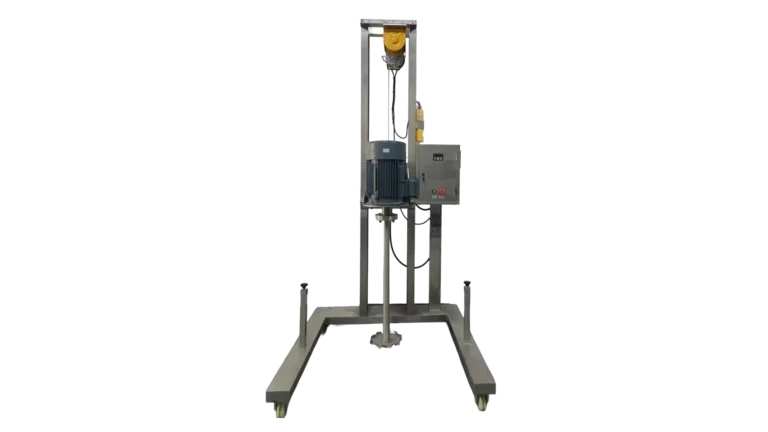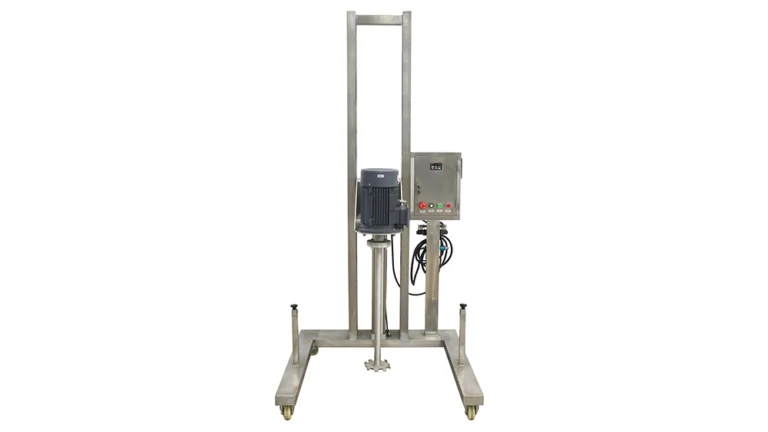

A replacement disperser disc must fit the shaft or hub and suit the machine’s operating speed. Two discs with the same outside diameter can have different center bores, keyways, mounting holes, or thicknesses. Those details determine whether the disc fits the existing machine.
Cowles-style disperser discs are the type StriversMachinery supplies most often. Other disc designs and custom specifications are also available. This article covers common disc shapes, material options, wear signs, and the information needed to request a replacement.
Cowles, Sawtooth, and Serrated Disc Names
In supplier catalogs and customer inquiries, Cowles, sawtooth, and serrated disperser disc often refer to overlapping toothed designs. The names do not guarantee identical geometry. Tooth angle, profile, count, spacing, and disc thickness can vary by manufacturer. For replacement, identify the existing disc from a drawing or sample instead of relying on its name alone. Familiarity with high-speed disperser disc types will aid in making the right choice.
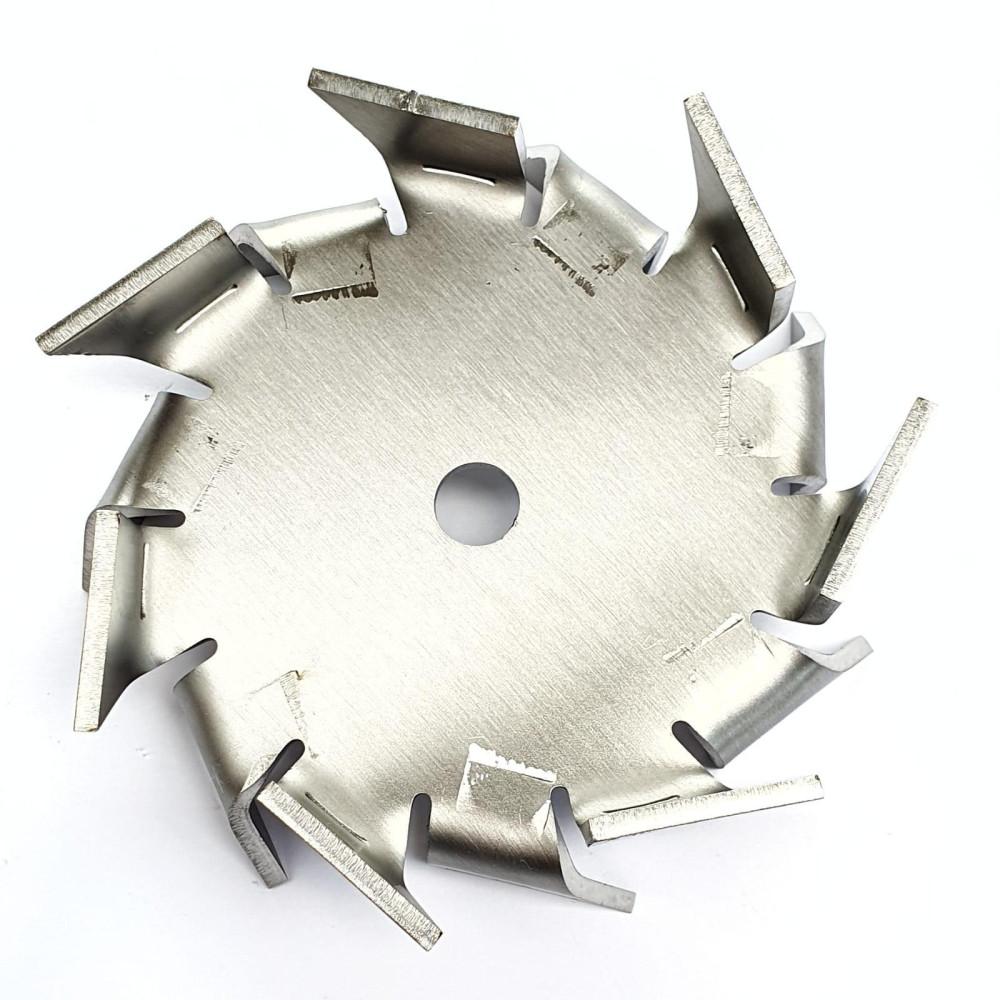
The teeth create a high-shear zone near the disc edge. In a suitable formulation and vessel arrangement, the disc helps draw material through this zone to wet powder or break down agglomerates. It creates local shear. Movement through the full tank also depends on batch viscosity, liquid level, disc position, and vessel geometry.
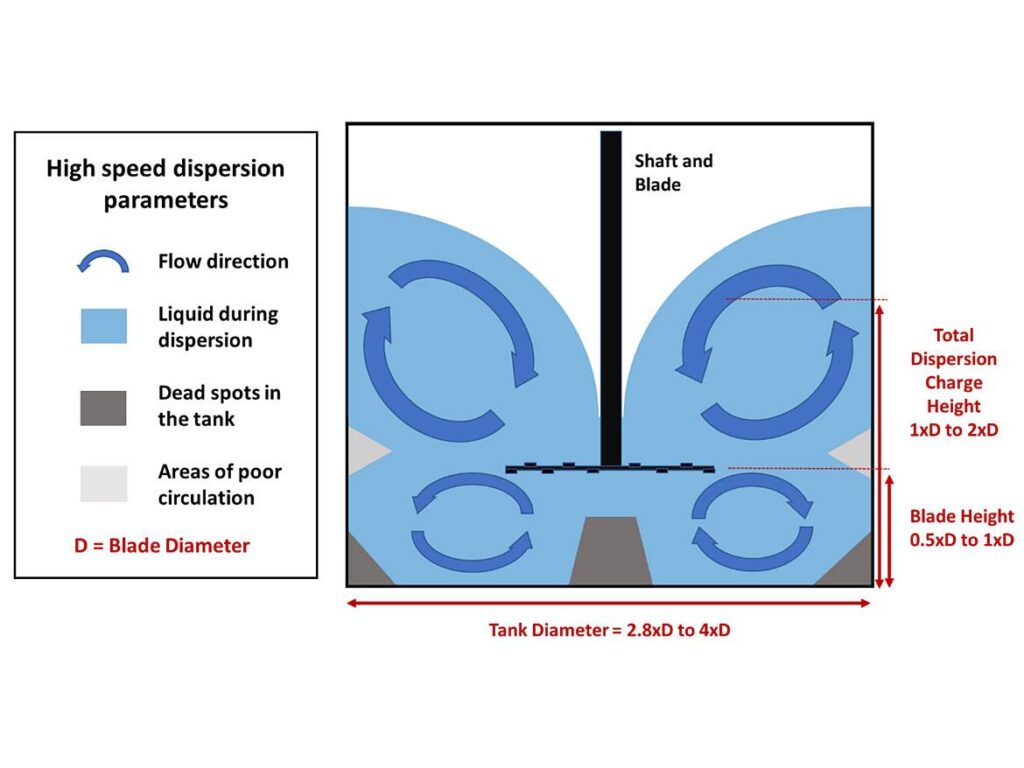
Cowles-style disperser discs are commonly used for powder wetting and premixing. In color cosmetics, for example, the batch must carry pigment through the working zone as it thickens. The color cosmetics application page shows a related processing application. A powder-addition case study describes a batch in which the disc continued to move product locally while circulation at the vessel wall and bottom weakened.
Toothed, Raised-Tab, and Smooth-Edge Discs
The outer edge helps identify a disperser disc, though its appearance alone does not establish how it will perform in a particular machine.
A toothed or sawtooth disc has teeth formed around its outer edge. Tooth profile and spacing differ across designs. Cowles-style discs belong to this broad family.
A raised-tab disc has formed or attached tabs around its edge. The tabs look different from conventional sawtooth teeth. Their geometry may affect the local flow pattern, so use a drawing or sample when specifying a replacement.
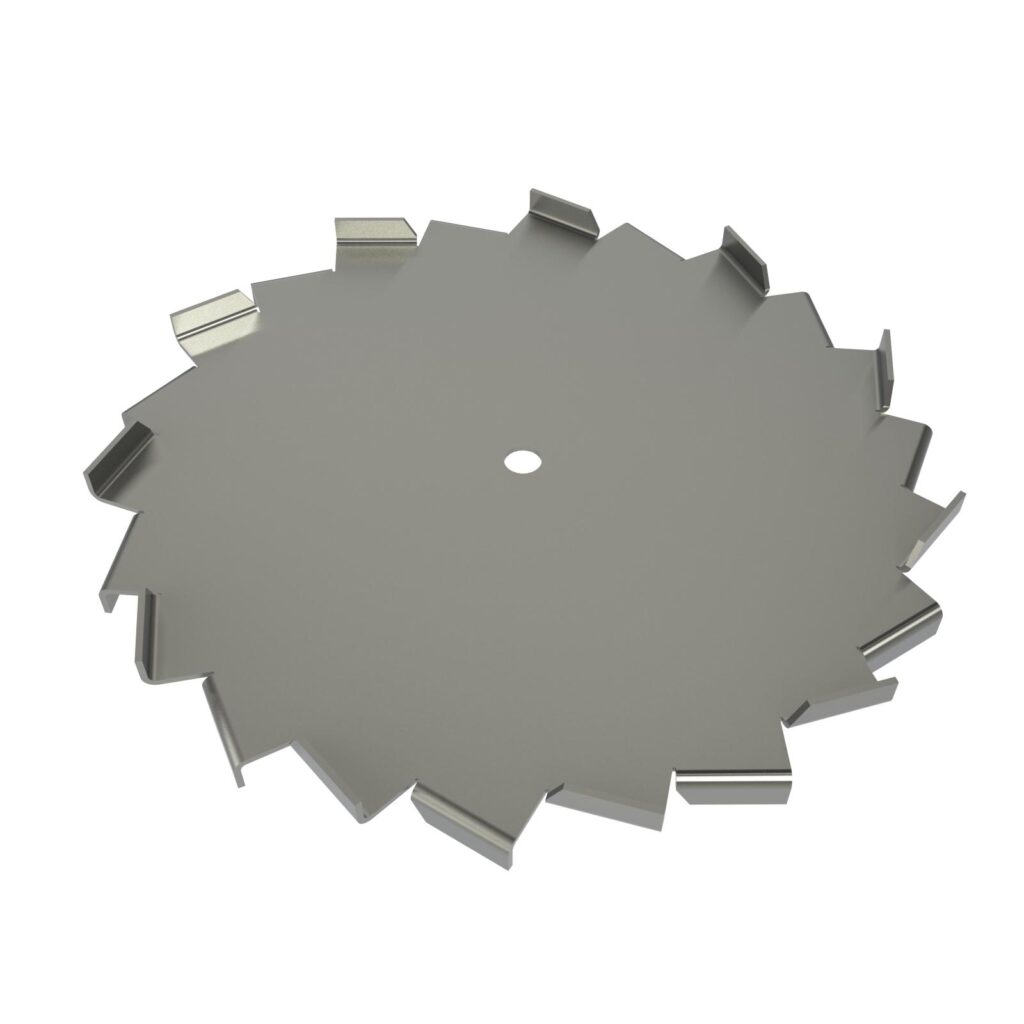
Some disperser designs use a smooth-edge disc with no teeth or raised tabs. Its suitability depends on the full setup, including disc geometry, speed, position, and the liquid being processed.
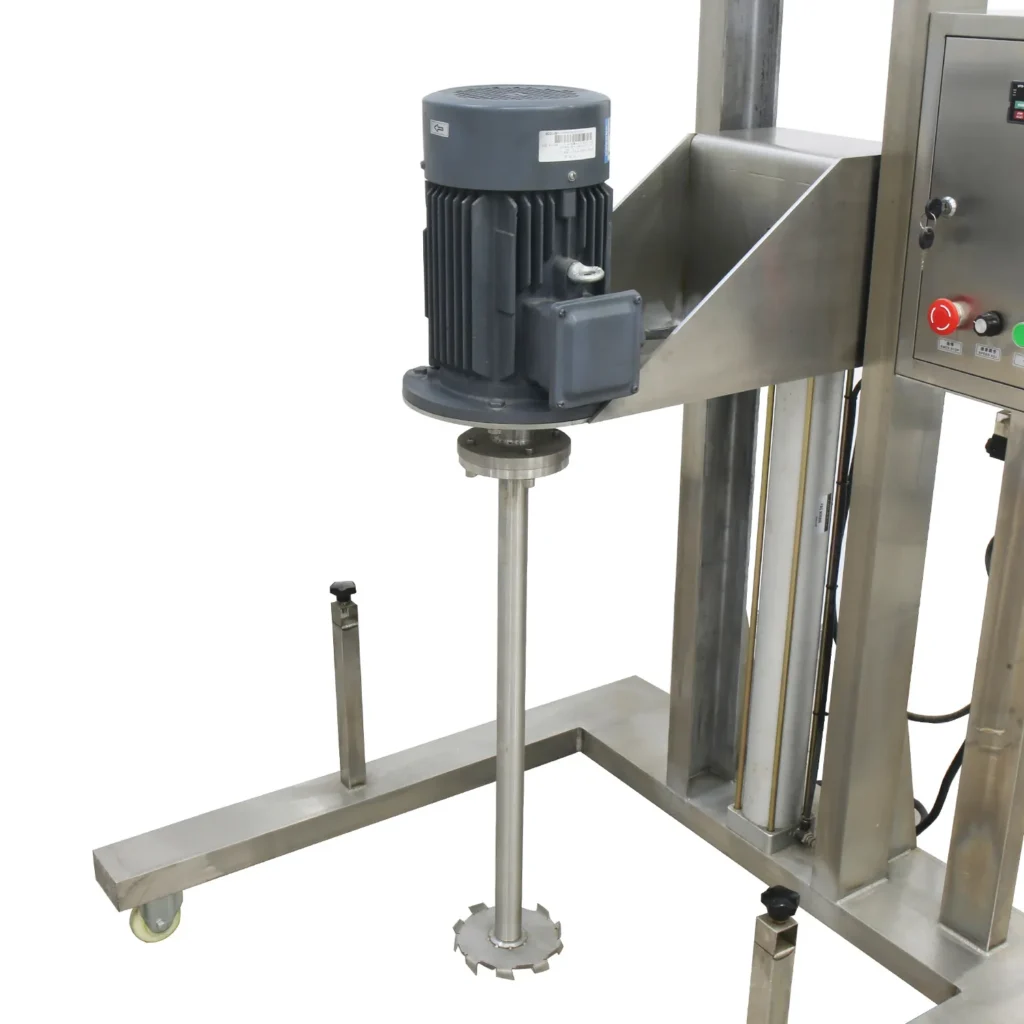
The high-speed disperser product range shows available equipment arrangements. For readers comparing equipment types, the high-shear mixer and disperser comparison explains how their working heads differ.
Disc Dimensions and Shaft Fit
Start with the machine connection when specifying a replacement disc. Motor power alone cannot establish whether a disc will fit the existing shaft or hub.
The outside diameter affects tip speed at a given rpm and must suit the vessel and machine arrangement. A larger disc produces a higher tip speed at the same rotational speed. For diameter D in meters and speed N in rpm, tip speed V in meters per second is:
V = πDN / 60
This formula shows the relationship between diameter and speed. It does not replace checking the machine’s operating limits.
The disc thickness and center bore must match the mounting arrangement. The bore must match the shaft or hub connection. Excessive clearance may affect disc positioning and the security of the mounting arrangement.
The keyway, mounting holes, bolt circle, and fastening method determine how the disc fits and transfers torque. A bolt circle describes the position of the mounting holes. Those holes may be for bolts or pins, so provide the actual hole pattern.
The allowed rotational speed also matters. A replacement disc needs a speed rating compatible with the machine’s normal operating speed and mounting method.
MorehouseCowles uses an impeller diameter of about one third of the tank diameter as a sizing reference for its direct-drive arrangement. Its guide also places the impeller about 0.5 to 1.0 impeller diameters above the tank bottom. These figures apply to the arrangement described in its direct-drive disperser guide. For replacement purposes, the original machine drawing and mounting dimensions take priority over general sizing references.

The INDCO dispersion blade order form lists common ordering dimensions, including center bore, bolt circle, bolt-hole diameter, hole count, and keyway.
Stainless Steel and Surface Hardening
StriversMachinery supplies disperser discs mainly in 304 stainless steel. Other stainless-steel grades, including 316 where specified, can be discussed according to the product and operating requirements. Surface hardening is also available.
Material selection depends on the product and cleaning conditions that contact the disc. The 304 and 316L comparison for cosmetic equipment provides background on stainless-steel grades. State the required grade in the purchase specification and confirm it against the material documentation for the ordered disc.
Wear Signs and Replacement Timing
There is no single wear limit that applies to every disc and process. Powder abrasiveness, operating hours, cleaning, and disc geometry all affect tooth wear.
A longer dispersion time can indicate disc wear when the formulation, batch size, operating speed, disc position, and process conditions remain comparable. If motor current stays within its normal range while dispersion performance falls below expectation, look for rounded, bent, chipped, or otherwise damaged tooth edges before attributing the change to the disc.
A different powder batch, temperature, feed rate, or formulation may also change dispersion time. Review those conditions alongside the disc. Some operations keep spare discs and replace them when performance falls below their process requirements.
Information Needed for a Replacement Disperser Disc
When requesting a replacement or custom disc, provide the machine model and shaft or hub drawing if available. Include the disc outside diameter and thickness, center-bore diameter, keyway dimensions and location, mounting-hole pattern, material, surface treatment, and normal operating speed.
If the original drawing is unavailable, send a clear photo of the existing disc beside a ruler and, where possible, provide the sample for measurement. StriversMachinery can review the dimensions, mounting arrangement, material requirement, and operating speed before confirming a replacement design. The hydraulic-lifting disperser guide shows one machine arrangement for which a disc can be specified.